
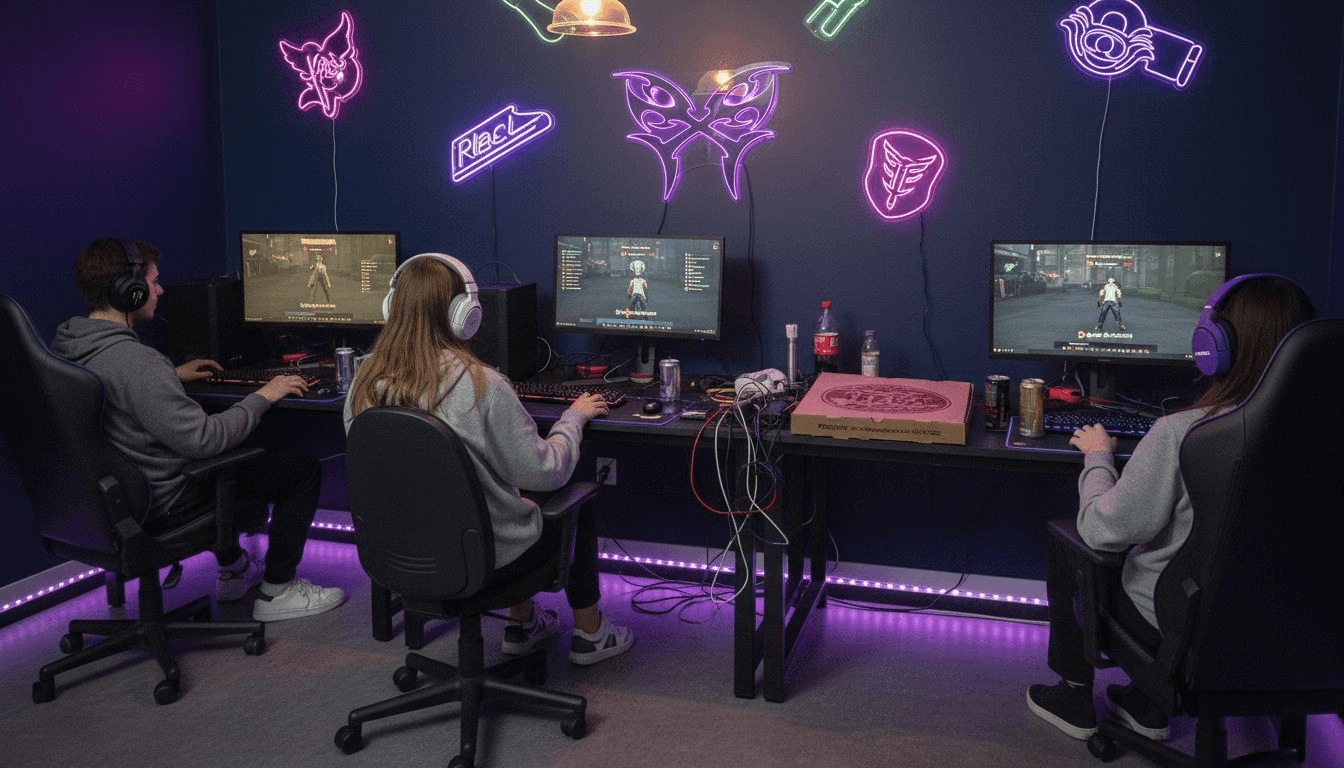
Many gamers believe casual play alone can launch an esports career, but less than 5% of casual players reach professional levels without structured training. Competitive gaming demands disciplined practice, strategic depth, and mental resilience that casual sessions rarely build. This guide clarifies the fundamental differences between competitive and casual gaming, explores the mindset and training required for esports success, and provides actionable steps to help you transition from casual enjoyment to competitive achievement in 2026.
Table of Contents
- Defining Competitive Gaming And Casual Play
- Understanding The Mental And Strategic Differences
- Training Regimens And Skill Development: Why Structured Practice Matters
- Community, Leadership, And Accountability In Competitive Gaming
- Common Misconceptions About Competitive Vs Casual Gaming
- Practical Steps To Transition From Casual Play To Competitive Gaming
- Bridging Casual Enjoyment And Competitive Success
- Join Xyra Esports To Elevate Your Competitive Gaming Journey
- Frequently Asked Questions
Key takeaways
| Point | Details |
|---|---|
| Competitive gaming requires structured practice and strategic teamwork unlike casual play's relaxed approach. | Success depends on disciplined training routines and clear team roles. |
| Mental resilience and proactive planning separate competitive players from casual gamers. | Stress management and communication skills are essential for competitive matches. |
| Transitioning to esports demands mindset shifts and consistent training commitments. | Casual gamers must adopt goal-oriented habits and accountability systems. |
| Community support and leadership roles accelerate competitive growth and prevent burnout. | Structured teams provide motivation and performance feedback absent in casual gaming. |
Defining competitive gaming and casual play
Competitive gaming centers on disciplined, result-focused play where players train systematically within organized teams to improve rankings and win tournaments. Competitive gaming involves structured training, leadership roles, and strategic emphasis, contrasting sharply with casual play's unstructured nature. Players set measurable goals, analyze replays, and dedicate consistent hours to perfecting mechanics and strategies.
Casual play prioritizes fun and social connection without formal training or performance pressure. Gamers play when convenient, experiment with different titles, and focus on entertainment rather than skill mastery. Sessions lack structured objectives, and improvement happens gradually through exposure rather than deliberate practice.
Esports represents the professional arena where competitive gaming reaches its peak. It demands not only mechanical skill but also psychological resilience, team coordination, and strategic adaptability. Professional players treat gaming as a career, balancing physical fitness, mental health, and continuous skill development to maintain peak performance.
Key differences between competitive and casual gaming include:
- Training approach: Competitive players follow structured schedules with specific drills; casual gamers play spontaneously.
- Goal orientation: Competitive gaming targets measurable improvement and tournament success; casual play seeks enjoyment and relaxation.
- Team dynamics: Competitive teams assign formal roles with accountability; casual groups form loosely without defined responsibilities.
- Time commitment: Competitive players invest 20+ hours weekly in focused practice; casual gamers play irregularly based on availability.
Understanding the mental and strategic differences
The mental framework separating competitive from casual gaming extends far beyond simple focus. Competitive gaming requires advanced strategic planning, mental resilience, and effective communication, unlike the spontaneous decision-making common in casual sessions. Competitive players develop pre-match routines, study opponent patterns, and prepare contingency strategies for various scenarios.
Stress management becomes critical during high-stakes matches where split-second decisions determine outcomes. Competitive players train their minds to stay calm under pressure, maintain focus during long tournaments, and recover quickly from losses. They use techniques like visualization, breathing exercises, and positive self-talk to manage anxiety and maintain performance consistency.
Team communication in competitive gaming operates at a different level than casual voice chat. Players use precise callouts, share information efficiently, and maintain constructive communication even during tense moments. Leadership roles emerge naturally, with captains making tactical decisions and motivating teammates through difficult matches.
Casual gaming allows players to experiment freely without consequence. Mistakes become learning opportunities rather than match-deciding errors, and players can laugh off poor performances. Strategic thinking remains surface-level, focusing on immediate enjoyment rather than long-term improvement.
Key mental differences include:
- Strategic depth: Competitive players analyze meta trends and counter-strategies; casual gamers react instinctively.
- Pressure response: Competitive gaming builds resilience through repeated high-pressure scenarios; casual play avoids stress.
- Communication style: Competitive teams use structured, efficient callouts; casual groups chat informally.
- Learning orientation: Competitive players actively seek feedback and study replays; casual gamers improve passively.
Pro Tip: Record your gameplay sessions and review them critically. Identifying mistakes in a low-pressure environment builds the analytical skills competitive gaming demands without the immediate stress of live matches.
Training regimens and skill development: why structured practice matters
Top competitive players don't simply play more hours. They train over 20 hours weekly using structured drills that target specific cognitive and motor skills. These sessions break down complex gameplay into manageable components, allowing focused improvement in areas like aim precision, map awareness, or ability timing.
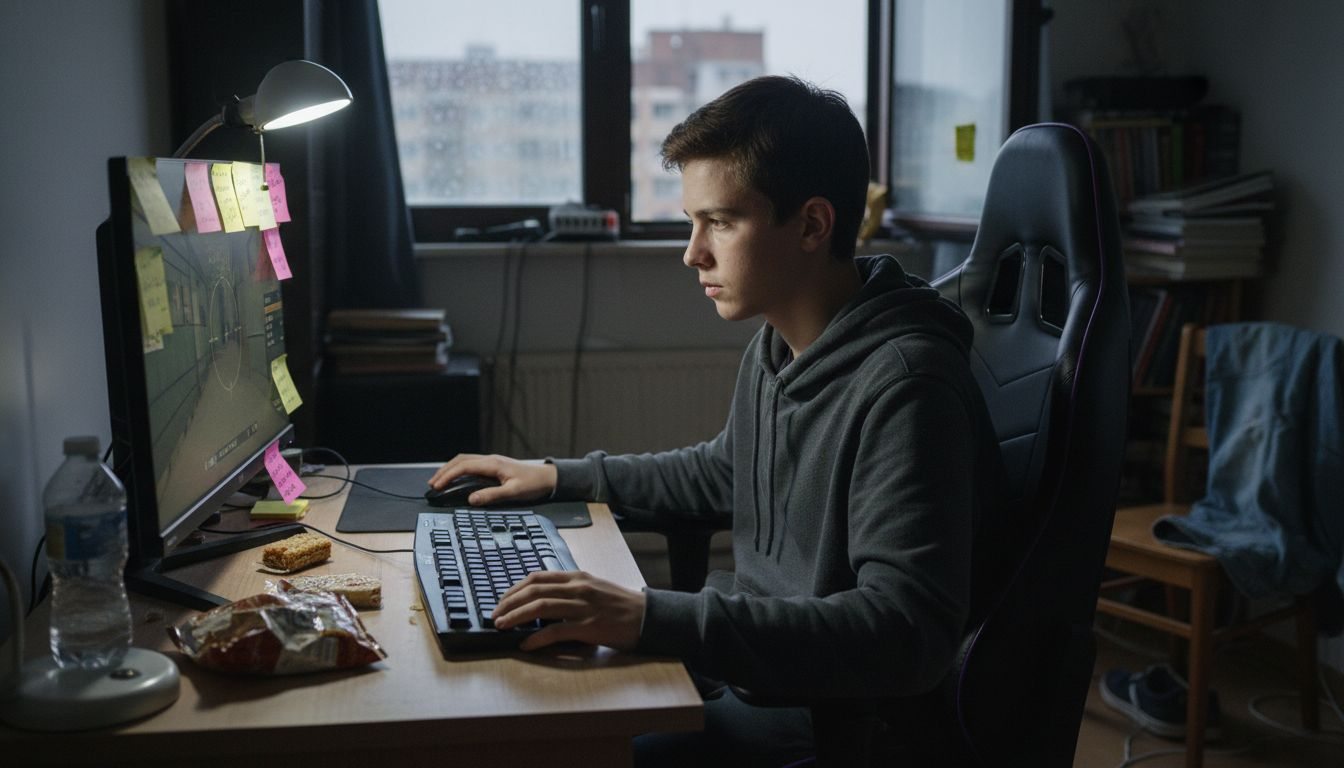
Structured practice distinguishes itself from casual play through intentionality. Competitive training includes aim drills, strategy review sessions, scrimmages against skilled opponents, physical exercise for stamina and reaction time, and mental conditioning through stress management techniques. Each session has clear objectives and measurable outcomes.
Casual gaming relies on organic skill development through regular play. While enjoyable, this approach lacks the targeted improvement that structured practice provides. Players might spend hours in-game without addressing specific weaknesses or expanding their strategic repertoire.
| Player Type | Weekly Hours | Training Structure | Skill Progression |
|---|---|---|---|
| Competitive | 20-30+ | Structured drills, replay analysis, team practice | Rapid, targeted improvement |
| Casual | 5-15 | Unstructured play sessions | Gradual, general improvement |
| Semi-competitive | 15-20 | Mixed structured and casual play | Moderate, inconsistent growth |
Building a structured practice routine:
- Assess your current skill level and identify specific weaknesses through honest self-evaluation or coaching feedback.
- Allocate dedicated time blocks for different training types: mechanical practice, strategic study, team scrimmages, and physical conditioning.
- Set weekly improvement goals with measurable metrics like accuracy percentage, reaction time, or win rate.
- Track progress systematically using performance logs or analytics tools to identify patterns and adjust training focus.
- Schedule rest days to prevent burnout and allow mental and physical recovery.
Pro Tip: Start with 30-minute focused practice blocks rather than marathon sessions. Quality trumps quantity, and shorter intense drills build better habits than exhausting yourself with unfocused grinding.
Community, leadership, and accountability in competitive gaming
Esports communities emphasize leadership roles and accountability, which correlate strongly with player retention and improvement. Competitive teams establish clear hierarchies with captains, coaches, and analysts who guide strategic development and maintain team cohesion. These structures create environments where players feel responsible to teammates, driving consistent effort and improvement.
Formal team roles extend beyond in-game positions. Captains make strategic calls and resolve conflicts, coaches analyze performance and design practice plans, analysts study opponents and identify meta trends, and managers handle logistics and team operations. Each role contributes to a professional environment that accelerates player development.
Accountability mechanisms distinguish competitive gaming from casual play. Teams hold regular practice sessions with attendance expectations, conduct performance reviews identifying strengths and improvement areas, set collective goals that require coordinated effort, and provide constructive feedback that drives individual growth. These systems prevent complacency and maintain motivation during challenging periods.
Community support mitigates the isolation and burnout common in competitive gaming. Teammates understand the pressures you face, mentors share experience navigating similar challenges, and the broader community celebrates achievements while offering perspective during setbacks. This network provides emotional resilience that solitary grinding cannot match.
Casual gaming communities focus on social enjoyment without formal structure. While friendships form, the absence of defined roles and accountability means motivation relies entirely on personal discipline. Players can disappear without consequence, and skill development remains an individual responsibility rather than a collective effort.
Key community differences:
- Structure: Competitive teams have clear hierarchies; casual groups operate informally.
- Expectations: Competitive gaming demands consistent participation; casual play allows sporadic involvement.
- Feedback: Competitive environments provide regular performance reviews; casual gaming offers occasional informal comments.
- Support systems: Competitive communities actively address burnout and mental health; casual gaming leaves wellness to individual management.
Common misconceptions about competitive vs casual gaming
Myth: Casual play alone prepares you for esports competition. Fact: Less than 5% of casual gamers reach pro esports level without dedicated training, debunking the belief that natural talent and casual sessions suffice. Professional success requires structured practice, strategic study, and mental conditioning that casual gaming simply doesn't provide.
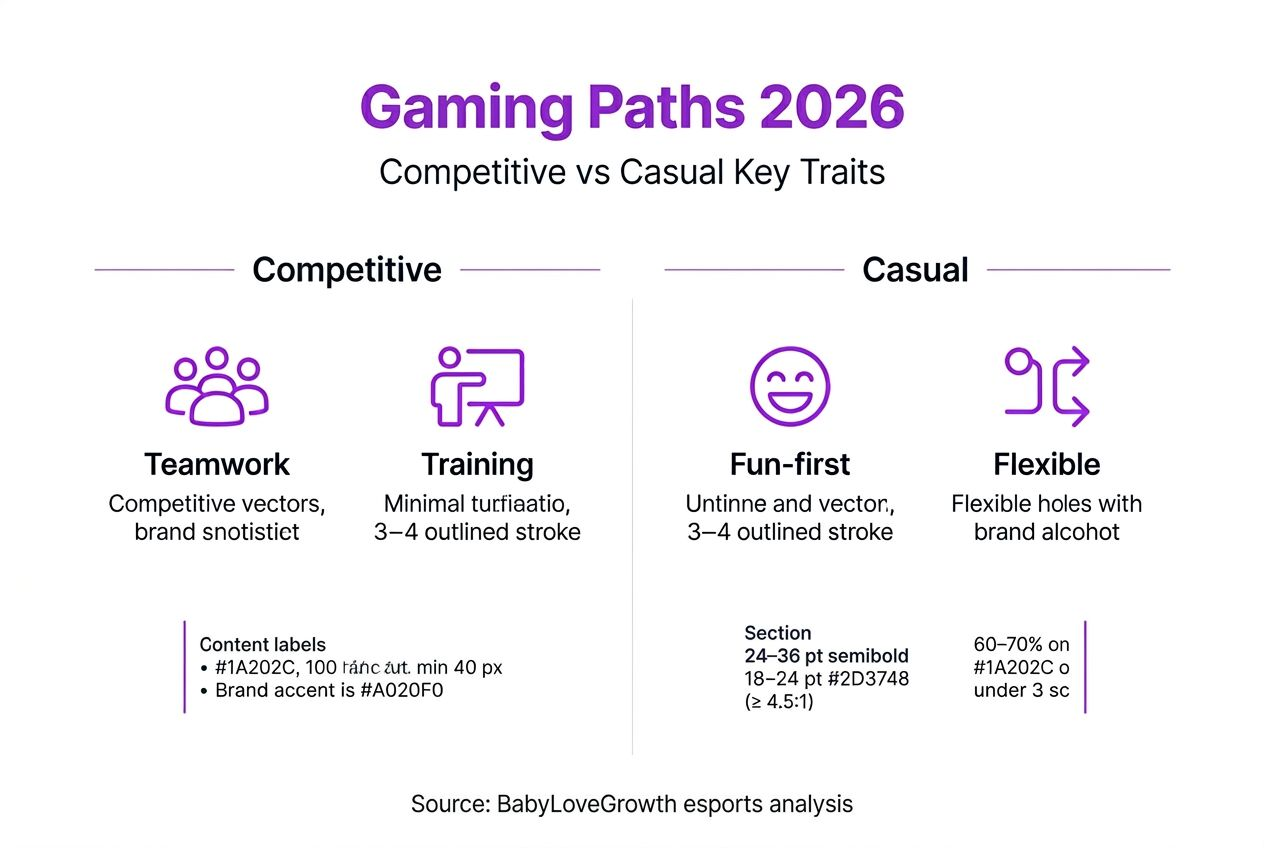
Myth: Natural talent matters more than training in competitive gaming. Fact: While baseline ability helps, mental resilience and disciplined practice separate professionals from talented amateurs. Players with moderate natural skill who train systematically outperform naturally gifted players who rely on intuition. The most successful esports athletes combine talent with relentless work ethic and strategic thinking.
Myth: Competitive and casual gaming create equal stress levels. Fact: Competitive play generates distinct mental health demands through performance pressure, public scrutiny, and career stakes. However, structured teams provide better support systems than casual gaming's isolated approach. Professional organizations offer mental health resources, coaching, and peer support that help players manage stress constructively.
Myth: You can transition to competitive gaming anytime without consequence. Fact: Age, reaction time, and established competition make timing crucial. While passion matters at any stage, earlier transitions allow more time to develop skills and establish reputations. Delaying the move from casual to competitive gaming narrows opportunities as younger players with dedicated training enter the field.
Myth: Competitive gaming ruins the fun of playing. Fact: While competitive gaming adds pressure, many players find deeper satisfaction in improvement, teamwork, and achievement than casual play provides. The structured environment and clear goals create purpose that random casual sessions lack. Players report greater long-term enjoyment from competitive gaming despite its demands.
Understanding these misconceptions:
- Research esports requirements realistically before committing to competitive gaming.
- Recognize that casual play builds basic familiarity but not competitive readiness.
- Accept that talent provides advantages but doesn't replace systematic training.
- Acknowledge competitive gaming's mental demands while appreciating available support systems.
Practical steps to transition from casual play to competitive gaming
Successful transitions require realistic planning and consistent execution. Effective transition demands realistic training goals, joining competitive teams, and cultivating mental toughness rather than hoping casual habits will naturally evolve into competitive skills.
-
Assess your current skills honestly and set achievable training objectives. Record gameplay to identify mechanical weaknesses, strategic gaps, and decision-making patterns. Compare your performance against competitive benchmarks to understand the gap between current and target skill levels. Set specific, measurable goals like improving accuracy by 10% or reducing deaths per match by 20%.
-
Develop consistent, structured practice habits that extend beyond gameplay. Create a weekly training schedule balancing mechanical drills, strategic study, team practice, and physical fitness. Include cardiovascular exercise to boost stamina and reaction time, maintain regular sleep schedules for cognitive performance, practice stress management through meditation or breathing exercises, and schedule deliberate rest to prevent burnout.
-
Join or build teams with clear leadership and defined roles. Research competitive teams recruiting at your skill level, attend tryouts prepared to demonstrate both skill and teamwork, contribute actively to team strategy and communication, and accept feedback constructively while supporting teammates through challenges. Building team chemistry takes time but accelerates individual growth through shared learning.
-
Engage actively with esports communities for support and competition. Participate in online tournaments to gain competitive experience, watch professional matches analyzing strategies and decision-making, join Discord servers or forums discussing your game's competitive meta, and seek mentorship from experienced players willing to share insights. Community involvement keeps you motivated and connected to broader esports culture.
-
Cultivate discipline and accountability as foundations for sustainable improvement. Track practice hours and performance metrics systematically, share goals with teammates or mentors who hold you accountable, celebrate small victories while maintaining focus on long-term objectives, and adjust training approaches based on honest performance evaluation. Discipline separates aspiring competitors from those who achieve professional success.
Pro Tip: Find a practice partner at a similar skill level who shares your competitive goals. Mutual accountability and friendly competition accelerate improvement while making training more enjoyable and sustainable.
Bridging casual enjoyment and competitive success
The journey from casual gaming to competitive esports doesn't require abandoning fun. Understanding fundamental differences in goals, mindset, training, and community helps you approach the transition strategically. Competitive gaming emphasizes structured practice, mental resilience, team accountability, and strategic depth that casual play simply doesn't demand.
Adopting competitive gaming frameworks accelerates esports advancement by replacing passive skill development with targeted improvement. Structured training identifies and addresses weaknesses efficiently, team environments provide motivation and feedback, accountability systems maintain consistent effort, and community support prevents isolation and burnout. These elements create sustainable growth paths toward professional opportunities.
You can maintain gaming enjoyment while embracing discipline and structure. Competitive gaming offers deeper satisfaction through achievement, teamwork, and continuous improvement than casual play's temporary entertainment. The challenge lies in finding balance, setting realistic expectations, and building habits that support long-term development rather than short-term gratification.
Engaging with established esports organizations provides structure and resources that independent efforts cannot match. Professional teams offer coaching, training facilities, tournament opportunities, and community connections that accelerate your competitive journey. Organizations like Xyra Esports specialize in developing aspiring players through structured programs designed to bridge the gap between casual enjoyment and competitive success.
Your next steps depend on commitment level and current skills, but the path forward requires action. Assess your readiness honestly, build sustainable training habits, connect with competitive communities, and embrace the accountability that serious improvement demands. The esports field rewards those who approach it strategically, combining passion with discipline to achieve goals that casual gaming alone cannot reach.
Join Xyra Esports to elevate your competitive gaming journey
Ready to transform your gaming from casual hobby to competitive pursuit? Xyra Esports provides the structured environment, expert coaching, and supportive community you need to succeed in esports. Our organization focuses on player development through disciplined training programs, clear team leadership, and accountability systems that drive real improvement.
Whether you're taking your first steps into competitive gaming or seeking to reach the next level, Xyra Esports competitive teams offer the resources and mentorship that casual play cannot provide. Join players who share your ambition, access structured esports training designed by experienced coaches, and compete in tournaments that test your skills against serious opposition. Take the next step in your esports journey with an organization that understands the path from casual player to competitive success.
Frequently asked questions
What are the key mindset shifts from casual to competitive gaming?
Competitive gaming requires shifting from entertainment-focused play to goal-oriented training with measurable outcomes. You must embrace constructive criticism, accept losses as learning opportunities, and prioritize team success over individual highlights. Mental resilience becomes essential as you face pressure, setbacks, and the demands of consistent high-level performance.
How much practice is needed to compete professionally in esports?
Typical esports professionals train over 20 hours weekly in focused, structured practice sessions targeting specific skills. However, practice quality matters more than raw hours. Deliberate training with clear objectives, performance tracking, and strategic review produces better results than unfocused grinding.
Can casual gamers realistically join competitive esports teams?
Yes, casual gamers can transition to competitive esports through dedicated training, team engagement, and mindset adjustments. Success requires committing to structured practice schedules, accepting accountability for performance, and developing mental resilience. Progress takes time but remains achievable with consistent effort and proper support systems.
What are common mistakes when moving from casual to competitive gaming?
Many players underestimate the time commitment and intensity competitive gaming demands, expecting casual habits to suffice. Neglecting mental and physical health leads to burnout and declining performance. Skipping community engagement and avoiding team environments eliminates crucial support systems and accountability that drive improvement.