
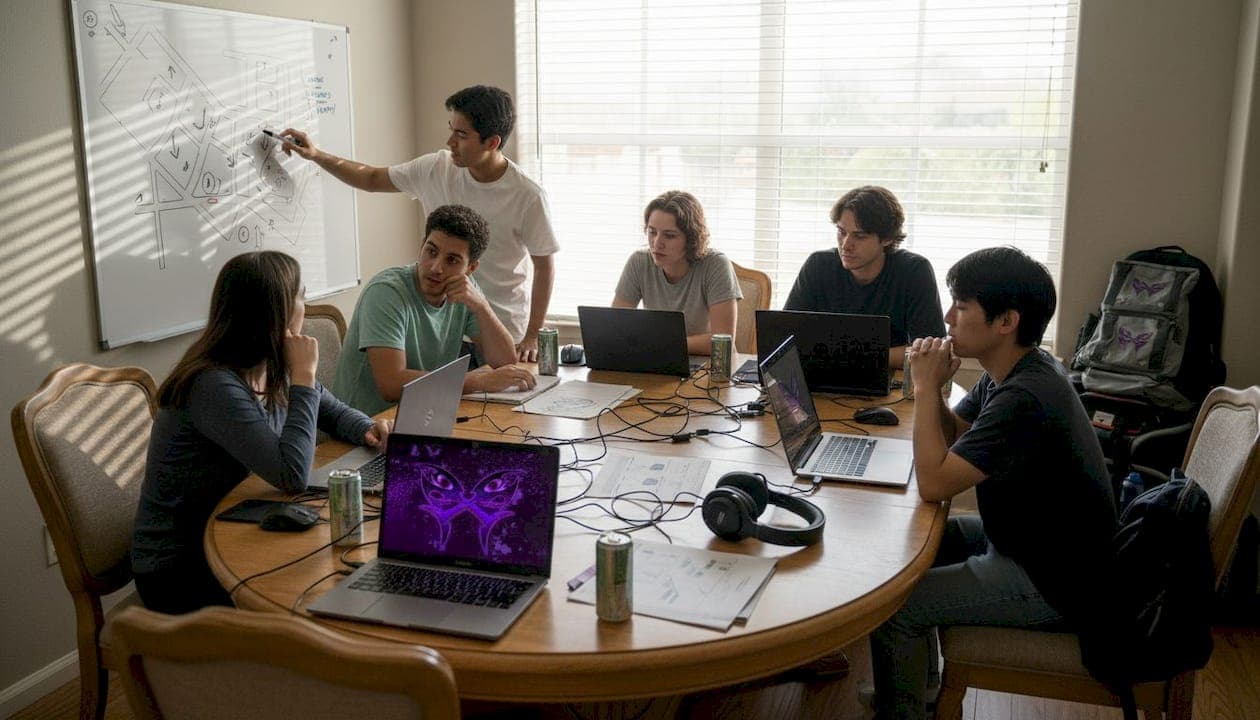
Competitive gamers often struggle with inconsistent team performance despite strong individual mechanics. Many talented players find themselves stuck in disorganized squads where unclear roles, chaotic communication, and reactive practice habits sabotage their win rates. A structured esports team process transforms this chaos into coordinated excellence by defining clear roles, establishing communication protocols, and implementing deliberate practice routines. This guide provides a step-by-step framework to build a disciplined team environment that elevates both individual skill and collective performance, helping you compete at higher levels with confidence and consistency.
Table of Contents
- Key takeaways
- Preparing your team for a structured esports process
- Executing structured communication and practice routines
- Verifying progress and troubleshooting common challenges
- Expected outcomes from a structured esports team process
- Explore structured esports resources and community support
- FAQ
Key Takeaways
| Point | Details |
|---|---|
| Role clarity boosts wins | Defining a primary position with clearly stated responsibilities reduces chaos and builds intuitive coordination among teammates. |
| Structured communication drives consistency | Establish in game and out of game callouts and protocols to minimize miscommunication and improve timing. |
| Deliberate practice routines | Design focused practice sessions with specific goals and feedback loops to lift individual skill and team performance. |
| Regular alignment meetings | Schedule regular check ins such as a 30 minute team meeting every two weeks to review goals and adjust strategies. |
Preparing your team for a structured esports process
Building a structured esports team starts long before you queue for ranked matches. The foundation requires careful player selection, clear role assignment, and aligned expectations that set everyone up for success.
Recruiting compatible teammates forms the first critical step. Look beyond raw mechanical skill to evaluate communication style, temperament under pressure, and commitment to improvement. Players who share your competitive mindset and availability create fewer friction points during intense practice sessions. Interview potential teammates about their long-term goals, preferred practice schedules, and past team experiences to identify red flags early.
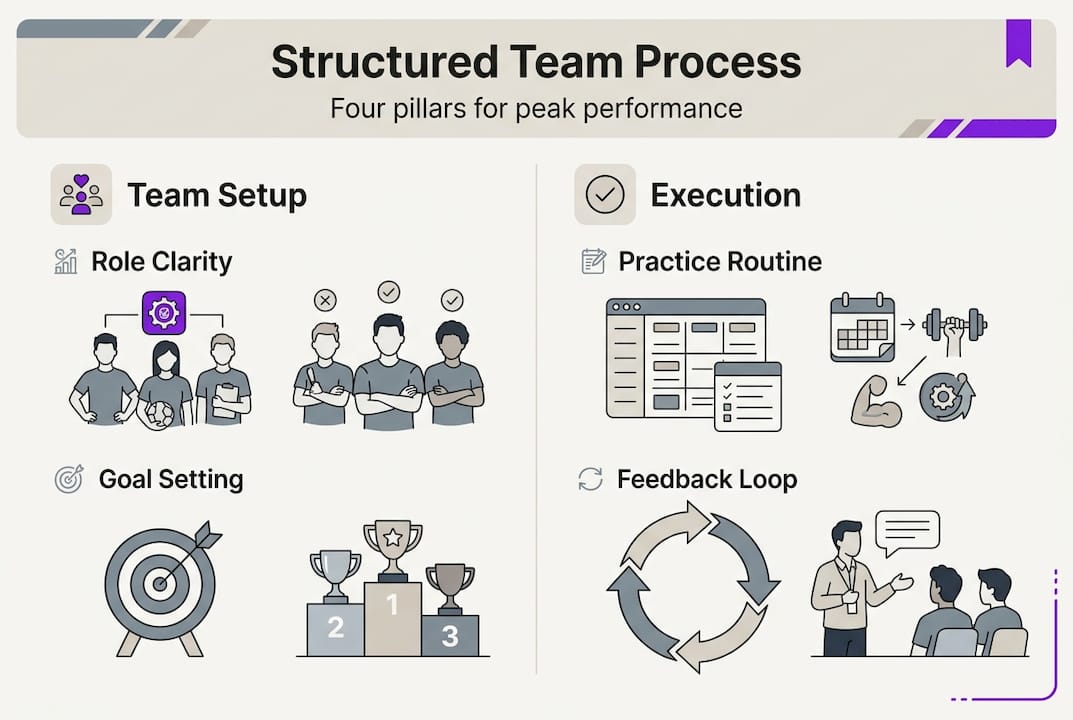
Defining and stabilizing roles prevents the chaos that plagues unstructured teams. Each player needs a primary position with clearly defined responsibilities during different game phases. Team familiarity positively correlates with wins, so resist the urge to swap roles frequently even when results plateau temporarily. Role stability allows players to develop deep expertise and build intuitive coordination with teammates. Document each role's decision-making authority, resource priorities, and expected callout patterns to eliminate ambiguity.
Setting realistic team goals and expectations aligns everyone's efforts toward shared objectives. Break long-term ambitions into measurable short-term targets like achieving a specific rank, winning local tournaments, or mastering particular strategies. Discuss practice frequency, punctuality standards, and feedback expectations upfront to prevent conflicts later. Create a simple team agreement covering availability, communication platforms, and conflict resolution processes.
Pro Tip: Schedule a 30-minute team meeting every two weeks to review goals, discuss what's working, and adjust strategies collaboratively. Regular check-ins prevent small frustrations from becoming major issues.
| Preparation element | Time investment | Expected outcome |
|---|---|---|
| Player recruitment and vetting | 2-4 weeks | Compatible roster |
| Role definition and assignment | 1 week | Clear responsibilities |
| Goal setting and agreement creation | 1-2 sessions | Aligned expectations |
Key preparation steps include:
- Evaluate player compatibility through trial scrimmages before committing
- Document role responsibilities in a shared team document
- Set both performance goals and process goals for balanced motivation
- Establish communication norms for both in-game and out-of-game interactions
For deeper insights on finding the right teammates, explore our esports recruitment guide to learn proven vetting strategies. With your team properly prepared, you're ready to implement the structured communication and practice routines that separate good teams from great ones.
Executing structured communication and practice routines
Effective execution transforms your prepared team into a coordinated competitive unit. This phase focuses on implementing communication protocols, designing focused practice sessions, and establishing feedback loops that drive continuous improvement.
Structured in-game communication distinguishes expert teams from casual players. Expert teams use frequent, factual communication with balanced speaker roles, avoiding both radio silence and chaotic chatter. Implement a callout hierarchy where critical information like enemy positions and ability usage takes priority over commentary or emotional reactions. Designate an in-game leader for mid-round strategic pivots to prevent decision paralysis when plans fall apart. Practice using concise, standardized callouts that convey maximum information in minimum words.
Scheduling regular, focused practice sessions builds skill systematically rather than randomly. Structure your practice time into distinct blocks with specific objectives:
- Warm-up phase: 15-20 minutes of aim training, movement drills, or casual matches to reach peak performance state
- Strategy execution: 60-90 minutes practicing specific team compositions, set plays, or counter-strategies against common opponents
- Competitive simulation: 30-45 minutes of scrimmages or ranked matches applying practiced concepts under pressure
- Review and debrief: 20-30 minutes analyzing what worked, what failed, and adjustments for next session
This structured approach ensures every practice hour delivers maximum skill development rather than mindless repetition.
Incorporating active-constructive feedback accelerates team improvement. Schedule brief post-match reviews where each player identifies one thing they did well and one area for improvement. Focus feedback on specific, actionable behaviors rather than vague criticism or personal attacks. Use video-on-demand reviews to examine critical moments from multiple perspectives, helping players understand their teammates' decision-making contexts.
Pro Tip: Record your ranked matches and competitive scrimmages, then watch 10-minute segments together weekly. Pause at key decision points to discuss alternative approaches and reinforce successful plays.
| Practice routine element | Frequency | Duration | Primary benefit |
|---|---|---|---|
| Structured team practice | 3-5 times weekly | 2-3 hours | Coordinated execution |
| Individual skill training | Daily | 30-60 minutes | Mechanical consistency |
| VOD review sessions | Weekly | 30-45 minutes | Strategic awareness |
| Team strategy meetings | Bi-weekly | 20-30 minutes | Aligned understanding |
Communication and practice best practices:
- Establish clear callout formats that everyone uses consistently
- Rotate in-game leadership during practice to develop multiple shot-callers
- Track practice attendance and punctuality to maintain accountability
- Balance criticism with recognition to keep morale high during improvement plateaus
For comprehensive training methodologies that complement these communication strategies, check out our esports training guide. Once your execution systems are running smoothly, you need methods to verify progress and troubleshoot inevitable challenges.
Verifying progress and troubleshooting common challenges
Systematic verification ensures your structured process delivers results while troubleshooting keeps minor issues from derailing progress. This phase focuses on tracking meaningful metrics, addressing communication breakdowns, and maintaining the mental resilience required for sustained competitive performance.
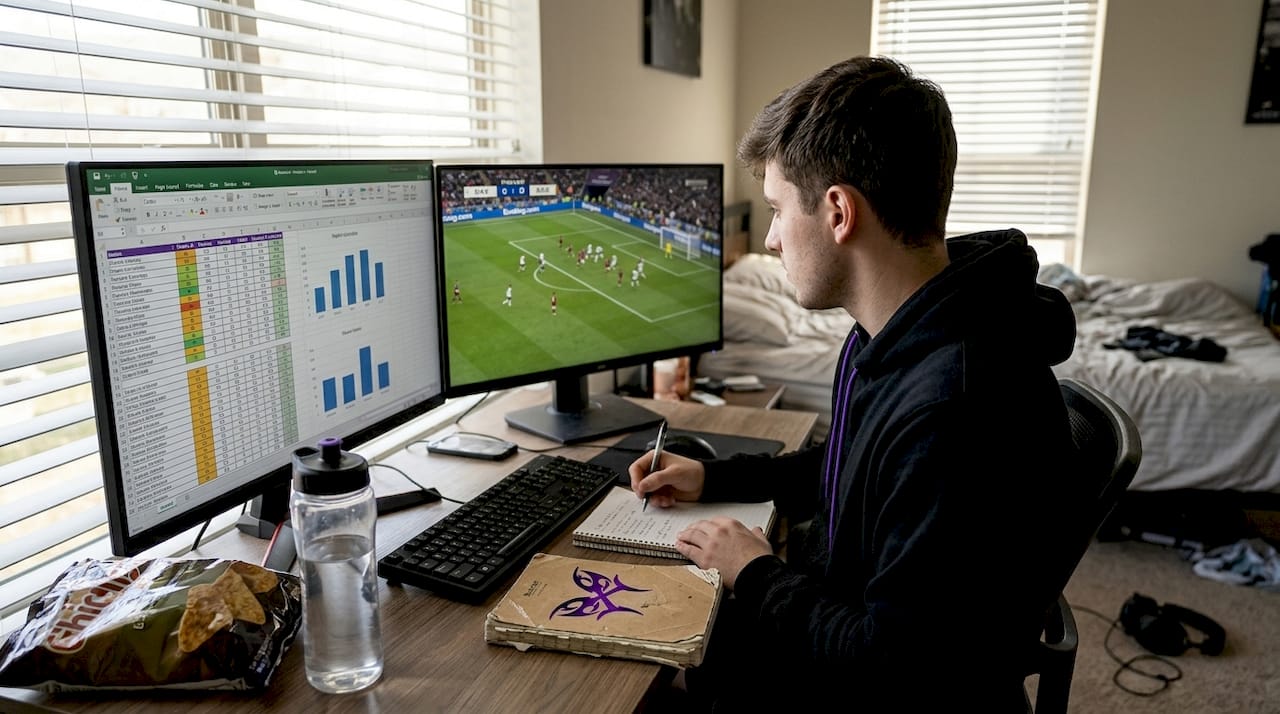
Tracking performance metrics and conducting VOD reviews provides objective evidence of improvement. Monitor statistics like round win percentage, first blood rate, objective control, and individual K/D ratios across 20-match samples to identify trends beyond random variance. Compare your team's communication patterns during wins versus losses to spot what changes under pressure. Review critical rounds where games swung dramatically to understand whether outcomes resulted from mechanical execution, strategic decisions, or communication failures.
Common communication and role-related mistakes plague even experienced teams. Tilt spirals result from poor communication, creating cascading negativity that destroys team cohesion. Establish a zero-tolerance policy for blaming teammates during matches, saving constructive criticism for post-game reviews. Mid-round pivots need defined authority to prevent hesitation when initial plans fail. If multiple players call contradictory strategies simultaneously, execution suffers regardless of which plan was objectively better.
Maintaining mental health and incorporating physical exercise supports long-term performance sustainability. Competitive gaming demands intense focus for extended periods, making burnout a constant threat. Schedule regular rest days where the team completely disconnects from competitive play to prevent mental fatigue. Physical training aids long-term wellbeing by developing coordination, grip strength, and cardiovascular health that support sustained focus during marathon practice sessions.
Pro Tip: Implement a team rule where anyone can call a 10-minute break during practice if they're tilted or losing focus. Short resets prevent frustration from compounding into full tilt spirals that waste entire sessions.
Key verification and troubleshooting strategies:
- Track 5-10 specific metrics consistently rather than obsessing over every possible statistic
- Schedule monthly performance reviews comparing current stats to previous periods
- Address communication breakdowns immediately in private conversations, not public callouts
- Encourage physical activity like walking, stretching, or gym sessions between practice blocks
- Recognize early warning signs of burnout like irritability, declining performance, or reduced enthusiasm
"The difference between good teams and great teams isn't mechanical skill. It's how quickly they identify problems, communicate solutions, and maintain composure under pressure. Structure creates the foundation for those critical moments." — Competitive gaming performance research
For strategies on maintaining professionalism during challenging team dynamics, explore our guide on professional conduct in esports. With robust verification and troubleshooting systems in place, you're ready to understand the concrete outcomes your structured process should deliver.
Expected outcomes from a structured esports team process
Implementing a structured team process delivers measurable benefits that justify the time investment required for proper execution. Understanding realistic expectations helps you stay motivated during the initial adjustment period and recognize when your systems are working.
Higher competitive win rates represent the most obvious benefit of structured processes. Team cohesion correlates strongly with improved win rates, with structured practices outperforming chaotic approaches consistently. Teams typically see 10-15% win rate improvements within 4-6 weeks of implementing structured communication and practice routines. These gains come from better coordination during critical moments, faster adaptation to opponent strategies, and reduced unforced errors caused by confusion or miscommunication.
Enhanced communication and reduced tilt incidents create a more enjoyable competitive experience beyond just winning more matches. Structured teams experience fewer toxic interactions because clear protocols prevent the ambiguity that triggers blame and frustration. Players develop trust in teammates' decision-making when everyone understands their roles and responsibilities. This psychological safety allows players to take calculated risks and make aggressive plays without fearing harsh criticism if things go wrong.
Sustainable personal and team development becomes possible when structure replaces chaos. Individual players improve faster because focused practice targets specific weaknesses rather than mindlessly grinding ranked matches. Teams build institutional knowledge about what strategies work against different opponents, creating a playbook that survives roster changes. The discipline developed through structured esports processes transfers to other life areas, improving time management, communication skills, and goal-setting abilities.
| Outcome category | Timeline | Measurement method |
|---|---|---|
| Win rate improvement | 4-6 weeks | Compare 20-match samples before/after |
| Communication quality | 2-3 weeks | Track callout accuracy and tilt incidents |
| Individual skill growth | 6-8 weeks | Monitor personal statistics and rank progression |
| Team cohesion | 3-4 weeks | Survey team satisfaction and conflict frequency |
| Unstructured approach | Structured approach |
|---|---|
| Inconsistent practice schedules | Regular sessions with defined objectives |
| Reactive role assignments | Stable positions with clear responsibilities |
| Emotional communication | Factual, task-focused callouts |
| Random skill development | Targeted practice addressing specific weaknesses |
| High player turnover | Stable rosters with long-term development |
Key benefits you should expect:
- Measurable win rate improvements within the first competitive season
- Reduced frustration and increased enjoyment during practice and matches
- Faster individual skill progression through deliberate practice methods
- Better performance under pressure due to established communication protocols
- Sustainable competitive careers with lower burnout rates
Learn more about these advantages in our article on the benefits of structured esports training, and discover why top organizations prioritize structure by reading about professionalizing esports teams. With clear expected outcomes established, you're ready to explore additional resources that support your structured team journey.
Explore structured esports resources and community support
Implementing a structured esports team process becomes significantly easier when you have access to proven frameworks, experienced mentors, and a community of like-minded competitive gamers. Rather than reinventing systems from scratch, you can leverage existing resources that have helped hundreds of teams achieve their competitive goals.
The XYRA Esports community platform provides structured training programs, team-building tools, and mentorship opportunities designed specifically for aspiring competitive players. You'll find detailed practice templates, communication protocol guides, and performance tracking systems that complement the strategies outlined in this article. Connect with other teams implementing similar structured processes to share insights, troubleshoot challenges, and celebrate progress together.
Joining an established esports organization accelerates your development by providing coaching, competitive opportunities, and accountability structures that independent teams struggle to maintain. You'll gain access to experienced leaders who have navigated the exact challenges you're facing and can offer personalized guidance for your specific competitive title and skill level. With these resources supporting your journey, you're ready to address common questions about implementing structured esports team processes.
FAQ
How do structured roles improve esports team performance?
Clear roles lead to better coordination because each player knows their responsibilities during different game phases. Role stability correlates with higher win rates as players develop deep expertise in their positions and build intuitive synergy with teammates. Teams avoid decision paralysis during critical moments when everyone understands who makes specific calls.
What communication style do expert esports teams use?
Experts use concise, task-focused communication that prioritizes factual information like enemy positions and ability cooldowns over emotional reactions. Balanced speaking prevents any single player from dominating comms while ensuring critical information reaches the team. This communication style distinguishes top performers from casual players consistently.
Can physical exercise enhance esports skills?
Physical training develops coordination, grip strength, and cardiovascular health that support sustained focus during long practice sessions. Immediate gaming performance gains are minimal, but long-term health benefits aid concentration and reduce fatigue-related mistakes. Regular exercise also helps manage stress and prevent burnout during intense competitive periods. Explore more about holistic training approaches in our structured esports training benefits article.
How often should teams review gameplay to improve?
Weekly 30-minute video-on-demand reviews are recommended for consistent improvement without overwhelming players. Tracking metrics like round win percentage and communication patterns helps identify strategy gaps and execution failures. More frequent reviews risk analysis paralysis, while less frequent reviews miss opportunities for rapid course correction.