
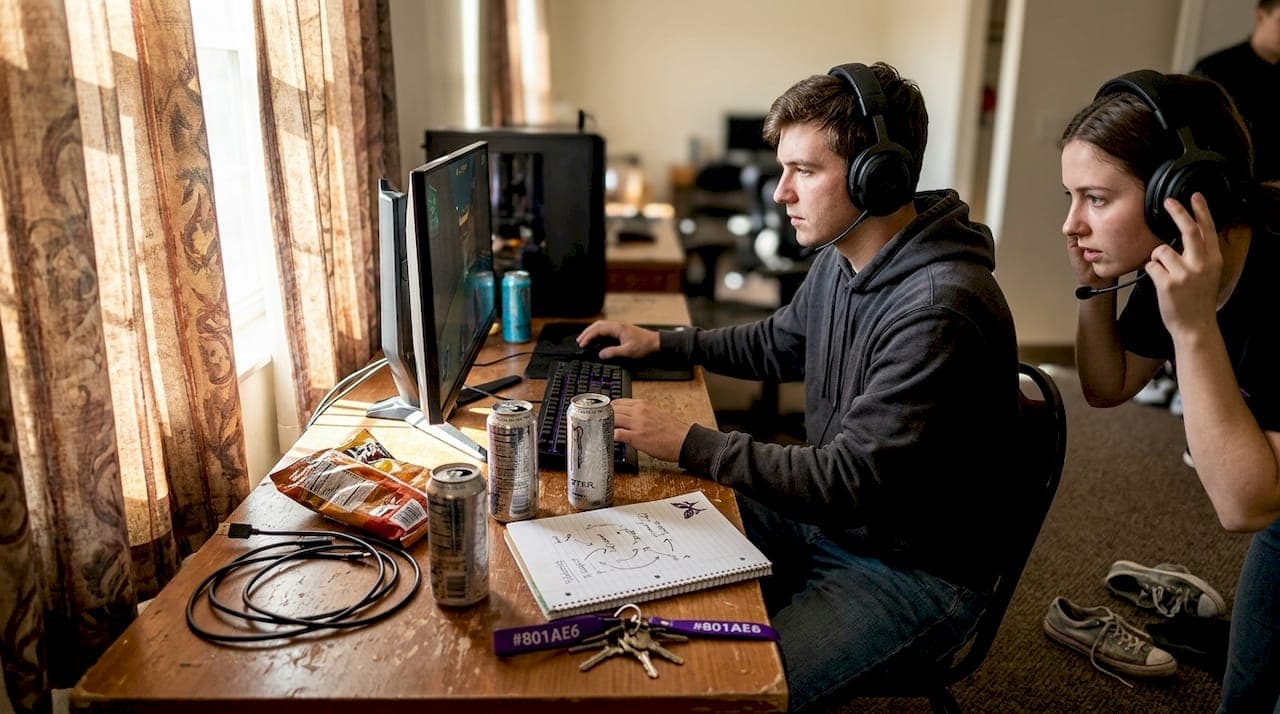
Many aspiring esports players believe grinding solo queue for hours is the path to professional success. While individual skill matters, the reality is that top teams dominate because they train in structured environments that build team synergy, mental resilience, and disciplined practice habits. Professional gaming environments provide far more than just access to high-end hardware. They create ecosystems where players develop communication skills, receive psychological support, and follow deliberate training routines that transform raw talent into championship-caliber performance. This guide explains why professional gaming environments are crucial for anyone serious about competing at the highest levels.
Table of Contents
- Key takeaways
- What defines a professional gaming environment?
- How structured routines enhance esports performance
- Teamwork and mental health in professional gaming houses
- Why solo talent isn't enough: the edge of synergy and communication
- Explore professional esports support with XYRA Esports
- FAQ
Key Takeaways
| Point | Details |
|---|---|
| Team based training | Structured training environments build strong team synergy through consistent communication and accountability. |
| Structured routines | Deliberate daily routines with drills, scrims, and reviews outperform random solo practice in skill development. |
| Health focused facilities | Facilities provide physical conditioning, recovery spaces, and mental well being to reduce burnout. |
| Mental coaching matters | Access to coaching and mental training helps players manage pressure and maintain consistency at the highest levels. |
What defines a professional gaming environment?
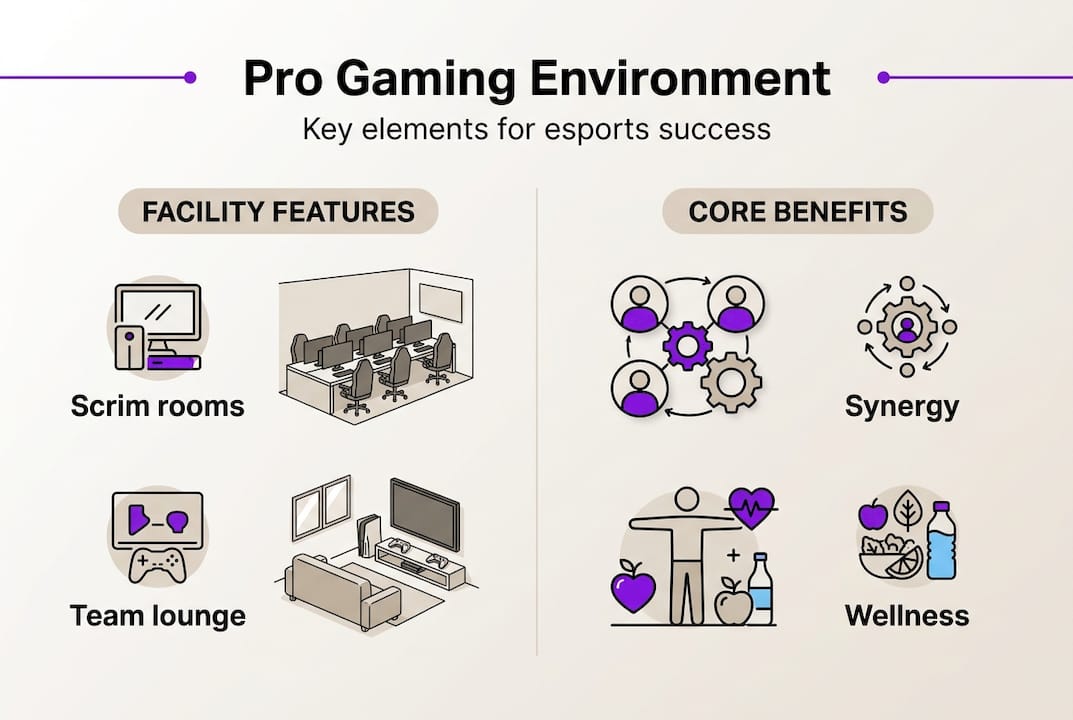
A professional gaming environment goes beyond simply having teammates. Team houses and structured training facilities enable constant team synergy, organic communication development, and discipline through shared living and grinding. These spaces are designed specifically to maximize competitive performance through every aspect of daily life.
Pro gaming facilities typically include dedicated areas for different training activities. Scrim rooms allow teams to practice against other competitive squads in controlled settings. Analysis rooms feature multiple monitors for reviewing gameplay footage and studying opponent strategies. Physical training areas help players maintain fitness and prevent injury from extended gaming sessions. Recovery spaces provide quiet zones for mental reset between intense practice blocks.
The key difference between casual gaming setups and professional environments lies in structure and accountability. When players live together, they naturally develop better communication patterns because they interact constantly outside of game time. Shared meals, downtime conversations, and collaborative problem solving all contribute to stronger team bonds that translate directly into better in-game coordination.
Professional facilities also enforce discipline through routine. Players can't skip practice or show up unprepared when their entire team depends on them daily. This accountability creates a culture where improvement becomes the default rather than something that requires exceptional willpower. The environment itself pushes players toward better habits.
Structured esports training benefits extend to every aspect of player development:
- Mechanical skill improvement through focused drill sessions
- Strategic knowledge growth via team theorycrafting
- Mental conditioning through high-pressure scrim environments
- Physical health maintenance with integrated fitness programs
- Communication refinement through constant team interaction
These facilities transform gaming from an individual pursuit into a comprehensive professional development program. Players aren't just practicing their game. They're building complete skillsets that prepare them for the demands of competitive esports at the highest levels.
How structured routines enhance esports performance
Random solo queue sessions might feel productive, but they lack the deliberate focus that drives real improvement. Professional players train 10-14 hours daily with mechanical drills, scrims, VOD reviews, theorycrafting, physical conditioning, and mental training, outperforming mindless solo grinding by focusing on deliberate practice. Every minute serves a specific purpose in building competitive readiness.
A typical professional training day follows a carefully designed structure that maximizes different types of skill development. Morning sessions often focus on mechanical warmup and individual skill drills. Players spend 60 to 90 minutes refining specific techniques like aim training, movement optimization, or ability combos. This focused practice targets weaknesses identified in previous gameplay reviews.
Mid-day blocks typically involve team scrims against other professional squads. These practice matches simulate tournament conditions and allow teams to test new strategies in realistic competitive environments. Scrims provide immediate feedback on what works and what needs adjustment before official matches.
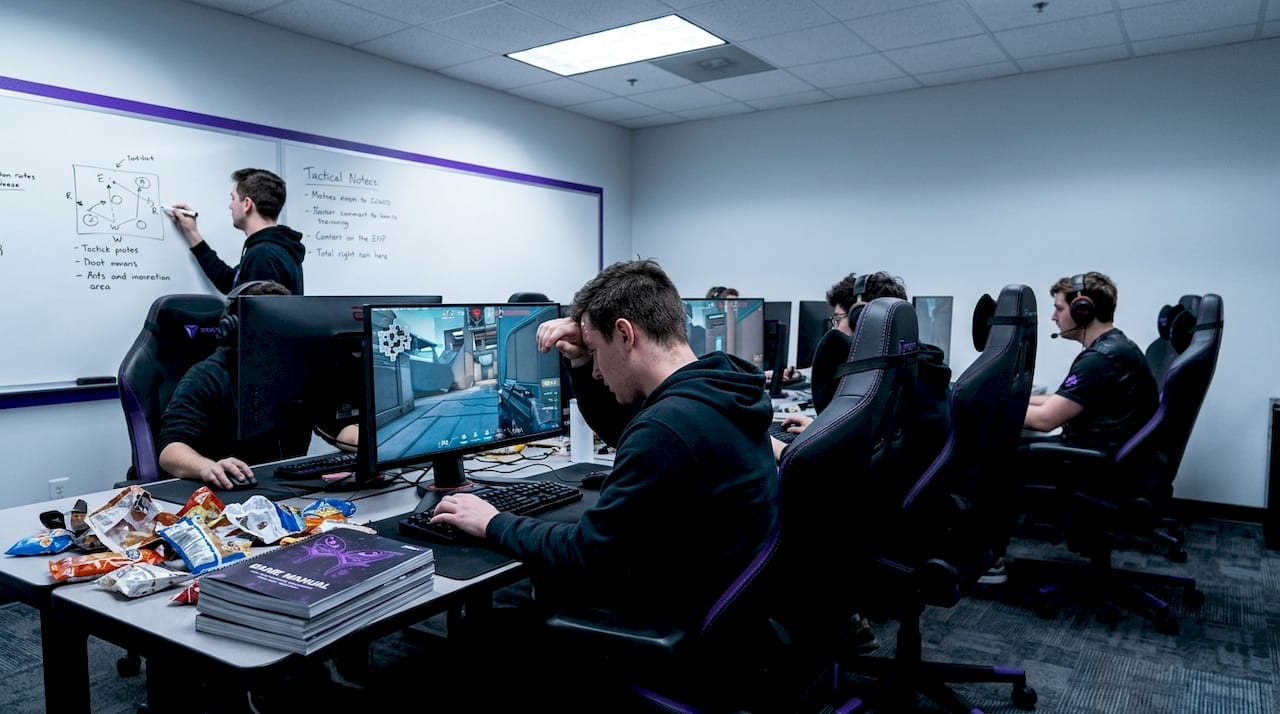
Afternoon sessions shift to analysis and theorycrafting. Teams review VODs from their scrims and recent tournament matches, breaking down decision-making patterns and identifying improvement opportunities. Coaches lead discussions about meta shifts, opponent tendencies, and strategic adaptations. This analytical work builds the game knowledge that separates good players from great ones.
A sample professional training routine might look like this:
- Morning warmup and mechanical drills (90 minutes)
- Team meeting to discuss daily goals and focus areas (30 minutes)
- First scrim block against scheduled opponents (3 hours)
- Lunch break with team meal (60 minutes)
- VOD review session analyzing morning scrims (90 minutes)
- Second scrim block with strategic adjustments (3 hours)
- Physical training and recovery activities (60 minutes)
- Evening theorycrafting and meta discussion (60 minutes)
- Individual practice or content creation (2 hours)
- Recovery and sleep preparation (scheduled bedtime)
Physical conditioning integrates throughout the day to prevent injury and maintain focus. Short exercise breaks between gaming sessions improve blood flow and mental clarity. Dedicated gym time builds core strength and posture that reduce strain from extended sitting. Proper nutrition fuels both physical and cognitive performance during long training days.
Pro Tip: Track your practice sessions with specific goals for each block. Random grinding might feel busy, but deliberate practice with clear objectives drives measurable improvement. Write down what you want to improve before each session, then review whether you achieved it afterward.
This step by step esports training guide for competitive success approach ensures every training hour contributes to specific skill development. Players don't just play more. They practice smarter with structure that compounds improvement over time.
Teamwork and mental health in professional gaming houses
The mental and physical demands of professional gaming can quickly lead to burnout without proper support systems. Professional facilities reduce player turnover from 40-60% to 15-25% annually through integrated performance monitoring, sleep tracking, nutrition, gym access, and psychological support. These resources address the complete health picture rather than focusing solely on gaming performance.
Modern gaming houses employ comprehensive health monitoring systems that track player wellness across multiple dimensions. Sleep tracking devices ensure players get adequate rest between training sessions. Nutritionists design meal plans that support cognitive function and physical health. Fitness trainers create exercise programs tailored to prevent common gaming injuries like wrist strain and back problems.
Psychological support represents perhaps the most critical health resource in professional environments. Burnout affects 38% of competitive players, with solo training lacking team chemistry while structured environments mitigate risks through psychologists but demand discipline. Regular sessions with sports psychologists help players manage performance anxiety, handle losses constructively, and maintain motivation through difficult stretches.
The comparison between supported and unsupported players shows dramatic differences in career longevity:
| Health Support Level | Annual Burnout Rate | Average Career Length | Performance Consistency |
|---|---|---|---|
| Full facility support | 15-25% | 4-6 years | High stability |
| Partial support | 30-40% | 2-3 years | Moderate fluctuation |
| No structured support | 40-60% | 1-2 years | High volatility |
Team communication exercises form another crucial component of gaming house routines. Daily team meetings create space for addressing conflicts before they escalate. Communication drills during practice help players develop clear callout systems and strategic vocabulary. Post-match debriefs ensure everyone understands decisions and learns from mistakes together.
Opponent scouting becomes a collaborative effort in team environments. Players divide research responsibilities, analyzing different aspects of upcoming opponents' playstyles. This shared workload makes preparation more thorough while building collective strategic understanding. Teams enter matches with comprehensive game plans rather than individual hunches.
Pro Tip: Mental health matters as much as mechanical skill in professional gaming. If you're grinding alone and feeling burned out, consider joining a structured team environment or at least scheduling regular breaks and recovery time. Sustainable practice beats intense burnout cycles.
The pressures of gaming houses shouldn't be understated. Living with teammates means less personal space and privacy. Performance expectations create constant pressure to improve. Some players struggle with the lack of separation between work and home life. However, facilities that prioritize mental health support help players navigate these challenges while maximizing the benefits of competitive gaming vs casual play mastering esports 2026 environments.
Why solo talent isn't enough: the edge of synergy and communication
Individual mechanical skill might win solo queue games, but championships require coordinated teamwork that only develops through structured practice together. Team environments facilitate high-pressure scrims, communication drills, and opponent scouting essential for team-based games where solo talent alone is insufficient for championships. The gap between talented individuals and cohesive teams becomes obvious at the highest competitive levels.
The fundamental difference between solo and team-based development shows up across every aspect of competitive preparation:
| Practice Approach | Solo Grinding | Team Environment |
|---|---|---|
| Skill focus | Individual mechanics | Coordinated execution |
| Communication | Solo callouts | Team-wide systems |
| Strategy depth | Personal tactics | Collaborative game plans |
| Opponent prep | Limited research | Comprehensive scouting |
| Feedback quality | Self-analysis | Coach and peer input |
| Pressure simulation | Ranked anxiety | Tournament conditions |
Team synergy develops through thousands of hours practicing together in various situations. Players learn each other's tendencies, communication styles, and decision-making patterns. This familiarity allows teams to execute complex strategies that require split-second coordination. Individual players might understand a strategy intellectually, but executing it under pressure requires practiced team rhythm.
Communication training in professional environments builds specific skills that solo players rarely develop:
- Clear, concise callout systems that convey maximum information quickly
- Tone management to keep communication productive under stress
- Active listening habits that ensure information gets processed during chaotic fights
- Strategic vocabulary that allows complex concepts to be communicated efficiently
- Conflict resolution skills that prevent disagreements from disrupting team cohesion
Scrims against other professional teams provide the closest simulation of tournament conditions available during practice. These matches create pressure that ranked games can't replicate because both teams are trying their hardest with prepared strategies. Players learn to execute under stress, adapt to unexpected situations, and maintain composure when plans fall apart.
Opponent research becomes exponentially more effective with team collaboration. One player might notice an opponent's early game patterns while another identifies their late game weaknesses. Combining these observations creates comprehensive scouting reports that inform strategic preparation. Teams enter matches with specific game plans targeting opponent vulnerabilities rather than generic strategies.
The championship requirement for coordinated teamwork shows up repeatedly in competitive results. Teams with superior individual talent often lose to squads with better communication and synergy. The ability to execute as a unit, adapt strategies mid-match, and support each other through adversity matters more than raw mechanical skill at the highest levels.
This esports leadership explained build winning teams 2026 foundation separates professional organizations from casual groups. Leaders in team environments foster communication habits, resolve conflicts constructively, and maintain team focus on collective goals rather than individual glory.
Explore professional esports support with XYRA Esports
Understanding why professional gaming environments matter is just the first step. Actually accessing structured training, coaching, and community support requires finding the right organization. XYRA Esports provides competitive players with structured programs designed to develop skills, build team synergy, and create pathways toward professional competition.
Our platform combines organized training routines with community events and competitive opportunities across multiple esports titles. Whether you're working on mechanical skills, looking to join a structured team, or seeking guidance on competitive development, XYRA offers resources tailored to serious players. We emphasize accountability, long-term growth, and professional habits that prepare members for higher levels of competition.
Explore our training guides, connect with experienced players, and discover how structured support accelerates your competitive journey. Professional environments aren't just for established pros. They're for anyone committed to serious improvement and team-based success.
FAQ
What is a professional gaming environment?
A professional gaming environment consists of team-based training facilities where players live and practice together with structured routines, coaching staff, and comprehensive support systems. These environments include dedicated spaces for scrims, analysis, physical training, and recovery. They differ from casual setups by providing accountability, health monitoring, psychological support, and deliberate practice structures that maximize competitive development.
How does a team house improve player performance?
Team houses foster constant interaction that builds organic communication patterns and team synergy impossible to develop remotely. Players benefit from structured daily routines, immediate feedback from coaches and teammates, and access to psychologists and fitness trainers. The shared living environment creates accountability that prevents skipped practice and maintains focus. This comprehensive support system translates directly into better coordination, strategic execution, and competitive results.
Can solo practice match pro environment benefits?
Solo practice develops individual mechanics but lacks the team synergy, communication training, and feedback loops essential for competitive success. Mindless solo grinding proves far less effective than deliberate team-based routines with specific goals and immediate coaching input. Professional settings also provide physical training facilities, nutritional support, and mental health resources unavailable to solo players. While solo practice has value for mechanical refinement, it cannot replicate the complete development system of professional environments.
How do professional gamers avoid burnout?
Professional gamers access sports psychologists who help manage competitive stress, performance anxiety, and motivation challenges throughout their careers. Facilities implement structured recovery routines with scheduled breaks, sleep tracking, and fitness programs that maintain physical and mental health. Regular health monitoring catches early burnout signs before they become serious. The combination of psychological support, disciplined recovery practices, and comprehensive wellness programs reduces burnout rates significantly compared to unsupported solo grinding.