
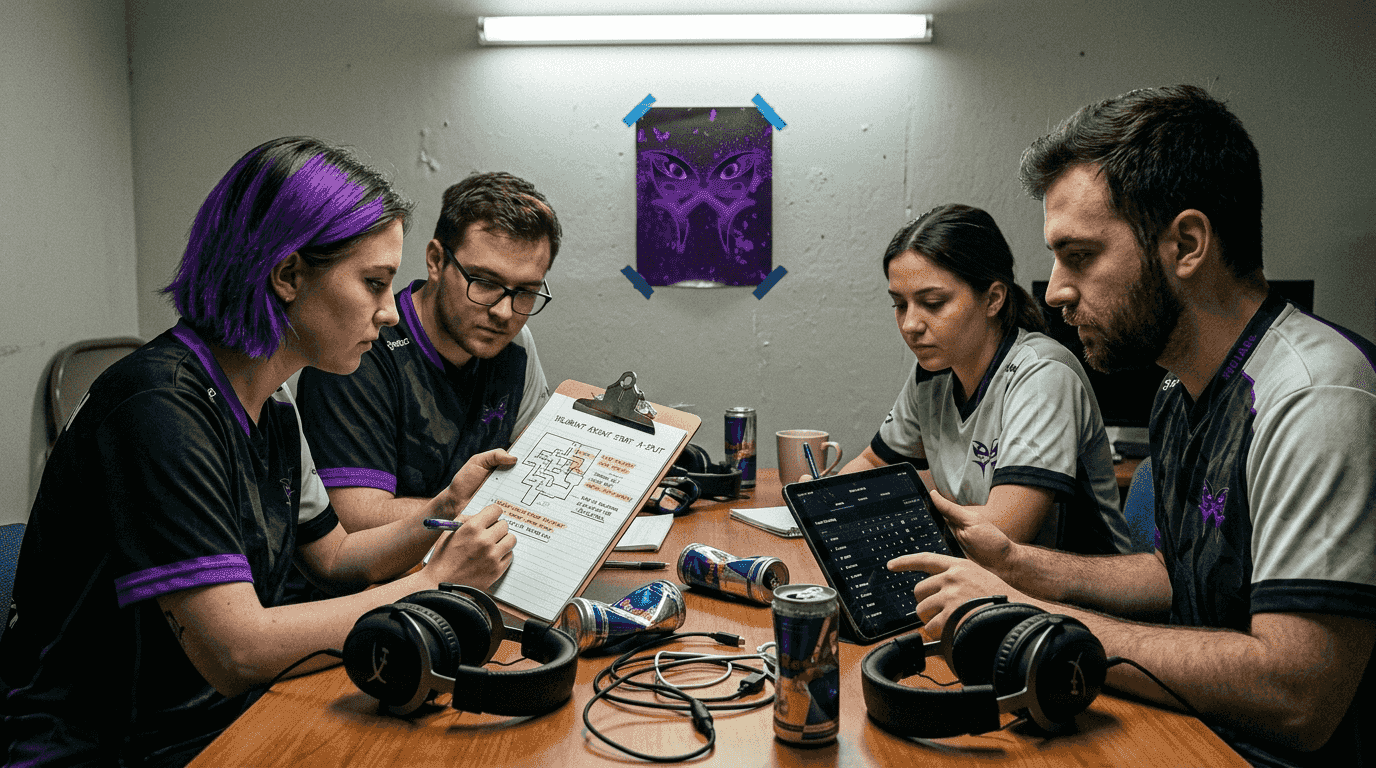
Many players think mastering mechanics and game sense is enough to sustain an esports career. Yet players known for professionalism have 30% to 50% higher contract renewal rates than those who rely on skill alone. Professional conduct shapes team dynamics, sponsorship deals, and long-term career prospects in ways that raw talent cannot. This article explains why off-field behavior matters and how to develop professionalism that elevates your competitive gaming career.
Table of Contents
- Understanding professional conduct in esports
- Impact of professional conduct on team dynamics
- Regulatory frameworks and codes of conduct in esports
- Real-world consequences of unethical behavior
- Common misconceptions about professionalism in esports
- Frameworks for understanding and practicing professionalism in esports
- Implementing professional conduct for career growth
- Take your esports career to the next level with Xyra Esports
Key takeaways
| Point | Details |
|---|---|
| Professional conduct includes ethics, behavior, integrity, respect, and rule adherence in esports. | |
| Positive behavior builds team trust, improves communication, and boosts competitive performance. | |
| Regulatory frameworks and codes of conduct enforce ethical standards across esports titles. | |
| Unethical behavior risks bans, sponsorship loss, and permanent career damage. | |
| Practical frameworks and daily habits help players build lasting professionalism. |
Understanding professional conduct in esports
Professional conduct in esports extends far beyond clicking heads or executing perfect combos. It encompasses the ethics, behavior, integrity, respect, and strict rule adherence that competitive gaming demands. Esports ethics demand players avoid cheating, respect opponents, and adhere strictly to tournament rules to maintain fair competition and a positive community reputation.
Multiple stakeholders depend on your professionalism. Teammates rely on you to communicate clearly and show up prepared. Organizations need players who represent their brand positively to attract sponsors and retain fans. Sponsors invest in athletes who demonstrate consistent ethical behavior both on and off stream. Fans engage with players who exhibit respect and integrity during matches and in public interactions. Regulatory bodies enforce standards to protect competitive fairness across the industry.
Professionalism sustains the trust that keeps esports communities healthy and growing. When players prioritize fair play and respectful communication, they contribute to an environment where competition thrives. Without these standards, the industry risks losing credibility with audiences, sponsors, and governing organizations.
Key components of professional conduct include:
- Adhering to game-specific and tournament rules without exception
- Communicating respectfully with teammates, opponents, and staff
- Accepting responsibility for mistakes and learning from losses
- Representing your team and sponsors positively in all public settings
- Maintaining integrity by refusing shortcuts like cheating or match-fixing
Impact of professional conduct on team dynamics
Your behavior directly shapes how well your team performs under pressure. Professional conduct positively impacts team dynamics by fostering trust, clear communication, and constructive conflict resolution, leading to improved competitive performance. Teams function like precision machines where each player's actions affect the entire system.
Trust forms the foundation of effective teamwork. When teammates know you will honor commitments, arrive prepared, and communicate honestly, they can focus on strategy instead of managing interpersonal issues. Clear communication prevents misunderstandings during high-stakes matches where split-second decisions determine outcomes. Players who listen actively and share information openly help their teams adapt faster to opponent strategies.
Constructive conflict resolution keeps teams stable during difficult stretches. Disagreements happen in any competitive environment, but professional players address conflicts directly and respectfully rather than letting resentment build. This approach prevents performance dips caused by unresolved tensions. Teams with strong professional standards consistently show higher win rates and lower roster turnover because players want to stay in positive environments.
Understanding team behavior insights can help you recognize patterns that either strengthen or weaken group cohesion. Small behavioral changes like acknowledging good plays or offering constructive feedback create compounding positive effects over time.
Pro Tip: Schedule brief post-match debriefs where each player shares one thing that went well and one area for improvement. This practice normalizes constructive feedback and builds a culture where growth happens continuously.
Regulatory frameworks and codes of conduct in esports
Esports operates under structured governance that enforces ethical standards across competitions. Regulatory bodies like the Esports Integrity Commission establish ethical standards and enforce rules that protect players and maintain fair competition. These organizations investigate allegations of cheating, match-fixing, and other violations to preserve competitive integrity.
Major publishers implement game-specific codes that players must follow. Riot Games released its 2025 Global Code of Conduct covering League of Legends esports, requiring players to demonstrate sportsmanship, respect officials, and avoid behavior that damages the competitive ecosystem. Valve enforces similar standards for Counter-Strike competitions, while Blizzard maintains strict guidelines for Overwatch League participants.
Competitive integrity policies include protocols like virus scans, documented issue responses, and player education to prevent match manipulation. These enforcement mechanisms create accountability systems that deter unethical behavior before it occurs.
| Regulatory Body | Primary Function | Enforcement Tools |
|---|---|---|
| ESIC | Investigate integrity violations across multiple titles | Sanctions, bans, industry-wide alerts |
| Publisher Codes | Set game-specific behavioral standards | Contract penalties, competitive suspensions |
| Tournament Organizers | Enforce rules during specific events | Disqualification, prize forfeiture |
| Team Organizations | Maintain internal conduct policies | Roster changes, contract termination |
Key enforcement mechanisms include:
- Automated detection systems that flag suspicious in-game behavior patterns
- Mandatory security protocols including device scans before major matches
- Educational programs teaching players about integrity requirements
- Standardized reporting channels for suspected violations
- Transparent disciplinary processes with clear appeal procedures
Real-world consequences of unethical behavior
The penalties for violating professional standards extend far beyond temporary embarrassment. Ethical violations such as cheating, match-fixing, and unsportsmanlike conduct severely damage esports credibility, leading to loss of fan trust, legal penalties, and sponsor withdrawal. These consequences affect individual players and the broader esports ecosystem.
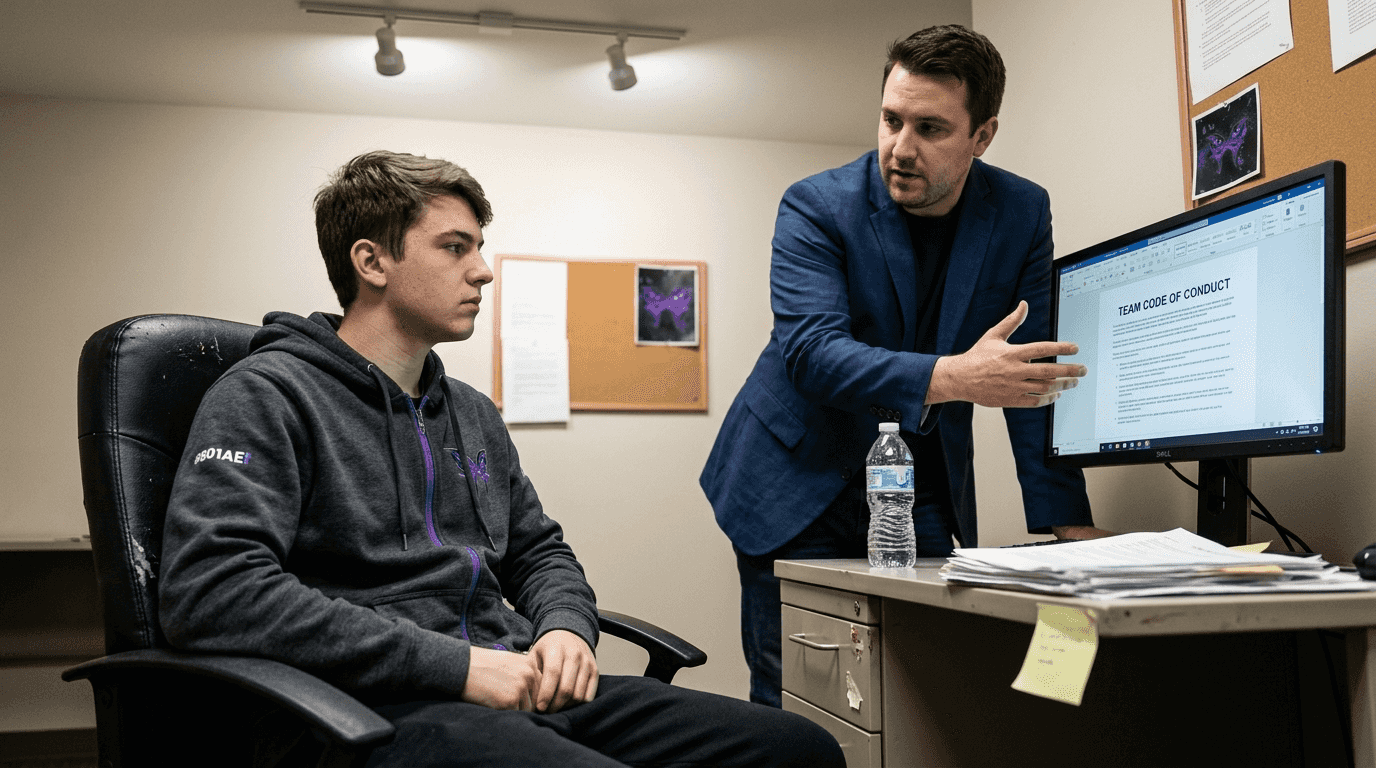
Lack of professionalism exposes players to bans, suspensions, loss of sponsorships, and career setbacks that can end promising esports careers prematurely. A single cheating scandal can result in permanent bans from major tournaments, effectively ending a professional playing career. Match-fixing allegations trigger criminal investigations in some jurisdictions, exposing players to legal liability beyond gaming penalties.
Sponsors monitor player behavior closely because their brands depend on positive associations. When players engage in toxic behavior on stream or violate competitive integrity rules, sponsors often terminate contracts immediately to protect their reputation. These losses eliminate primary income sources that many professional players rely on.
High-profile scandals demonstrate these risks clearly. The 2026 Counter-Strike match-fixing investigation resulted in lifetime bans for several players who accepted money to intentionally lose matches. Their careers ended instantly despite years of skill development and previous success. Similar cases in League of Legends and Dota 2 show that no player is too skilled to avoid consequences for unethical behavior.
Key consequences include:
- Permanent or multi-year bans from official competitions and leagues
- Immediate termination of sponsorship contracts and endorsement deals
- Loss of streaming platform partnerships and audience trust
- Legal prosecution for fraud or conspiracy in match-fixing cases
- Damaged reputation that prevents future team signings
Professional conduct violations create permanent digital records that follow players throughout their careers, making recovery extremely difficult even after serving suspensions.
Common misconceptions about professionalism in esports
Many aspiring players hold beliefs about esports careers that undermine their long-term success. Common misconceptions in esports professionalism include beliefs that only in-game skill matters and that off-field conduct is irrelevant to career success. These false assumptions prevent players from developing the complete skill set that professional esports demands.
The myth that mechanical skill guarantees career stability ignores how teams actually make roster decisions. Organizations evaluate players on communication ability, coachability, mental resilience, and how well they fit team culture. A player with slightly lower stats but excellent professionalism often gets selected over a more skilled but difficult teammate. Sponsors similarly prioritize athletes who represent their brands positively across all interactions.
Data shows many aspiring players undervalue professionalism in career planning. They invest thousands of hours perfecting aim or game knowledge while neglecting reputation management, professional networking, and understanding regulatory frameworks. This imbalance creates vulnerability when opportunities require demonstrating complete professionalism.
Understanding the difference between competitive vs casual play helps clarify why professionalism matters more at higher levels. Casual gaming tolerates behaviors that immediately disqualify players from professional consideration.
| Misconception | Reality |
|---|---|
| Gaming skill alone determines career success | Teams evaluate communication, reliability, and cultural fit equally with mechanical ability |
| Off-field behavior does not affect career opportunities | Sponsors and teams actively monitor social media and public conduct before signing players |
| Professionalism only matters during official matches | Organizations assess behavior during practice, scrimmages, and personal streams |
| You can separate personal and professional online presence | Digital footprints create permanent records that influence team and sponsor decisions |
Frameworks for understanding and practicing professionalism in esports
The complexity of modern esports competitions requires an integrated framework combining integrity, communication, accountability, and ethical adherence for player professionalism. A structured approach helps players develop consistent professional habits that translate to career advantages.
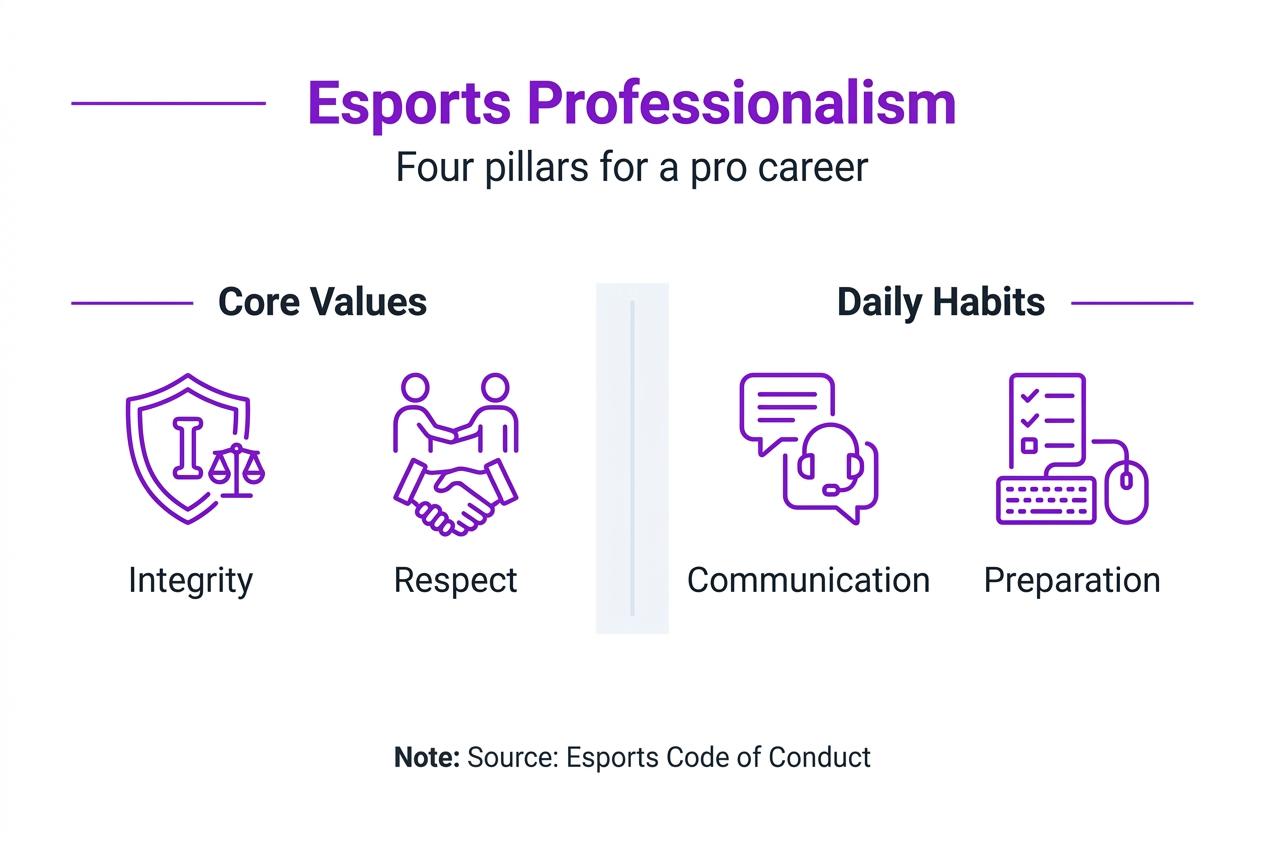
The four-dimension framework organizes professionalism into manageable components. Integrity means making ethical choices even when no one is watching, refusing shortcuts that compromise fair play. Communication involves sharing information clearly, listening actively, and adjusting your style to different teammates and situations. Accountability means owning mistakes without deflecting blame and following through on commitments consistently. Teamwork culture requires contributing positively to group morale and supporting teammates during difficult periods.
Practical habits reinforce these dimensions daily. Study your game's code of conduct and tournament rules thoroughly so you never violate standards accidentally. Communicate plans and availability clearly to teammates and coaches, respecting their time as much as your own. Own mistakes immediately when they occur, focusing on solutions rather than excuses. Offer genuine encouragement to teammates struggling with performance or personal issues.
Team leadership and coaching play essential roles in fostering professionalism. Captains model expected behavior and address conflicts before they escalate. Coaches create structured feedback systems where players can improve without fear of harsh criticism. Organizations that prioritize professional development produce more successful rosters over time.
Following a comprehensive esports training guide ensures you develop mechanical skills alongside professional conduct. Both elements must grow together for sustainable career advancement.
Pro Tip: Create a personal conduct checklist covering communication, rule adherence, and teammate support. Review it weekly to identify improvement areas before they become problematic patterns.
Implementing professional conduct for career growth
Translating professional standards into career advancement requires intentional action. Maintaining professionalism offers a career longevity advantage by attracting sponsors, enabling player transfers, and fostering good team relations critical to long-term success. These steps help you leverage conduct as a competitive advantage.
-
Build a personal code of ethics aligned with industry standards by reviewing major tournament rules and publisher guidelines. Document your commitments to fair play, respectful communication, and ethical decision-making. Refer to this code when facing difficult choices that test your integrity.
-
Engage actively with regulatory frameworks by following ESIC announcements, reading rule updates from your primary game's publisher, and understanding tournament-specific requirements before competing. This knowledge prevents accidental violations and demonstrates your commitment to competitive integrity.
-
Network strategically by connecting with players, coaches, and industry professionals who share your values. Attend community events, participate in discussions professionally, and build relationships based on mutual respect rather than transactional benefit.
-
Manage your reputation proactively by auditing your social media presence, stream conduct, and public statements regularly. Remove content that conflicts with professional standards and ensure your digital footprint reflects the athlete you want to become.
-
Seek opportunities with organizations that prioritize professionalism in their culture. Research team values before tryouts and ask about conduct expectations during interviews. Joining the right organization accelerates your professional development significantly.
-
Invest in continuous learning about esports ethics and industry standards. Read case studies of integrity violations to understand consequences. Study successful players known for professionalism to model effective behaviors.
Exploring esports recruitment opportunities connects you with organizations seeking players who value professional conduct alongside competitive skill.
Take your esports career to the next level with Xyra Esports
Xyra Esports provides the structured environment where professionalism and competitive excellence combine to create career opportunities. Our organization prioritizes developing players who understand that skill and conduct both matter for sustained success. We offer mentorship from experienced coaches, training programs that build complete athletes, and networking support that connects you with the broader esports community.
Joining a reputable organization demonstrates your commitment to professional standards that sponsors and teams value. Xyra Esports maintains strict conduct expectations while supporting player growth through constructive feedback and resources. Our teams compete across multiple titles, giving you pathways to showcase your abilities in environments that reward professionalism.
Explore esports recruitment opportunities to learn about tryouts and team openings. Connect with Xyra Esports to discuss how our community can support your competitive gaming career goals.
FAQ
What exactly is professional conduct in esports?
Professional conduct means ethical behavior, respect, communication, and adherence to rules in esports. It ensures fair competition and builds trust among players and stakeholders. This includes following tournament regulations, treating opponents respectfully, and representing your team positively.
How does professional conduct affect team performance?
Good conduct creates trust, improves communication, and reduces conflicts within teams. This leads to better coordination and higher chances of winning matches. Teams with strong professional standards show measurably better results and lower roster turnover.
What are the risks of ignoring esports codes of conduct?
Players risk bans, suspensions, loss of sponsorships, and damaged reputation from violating codes. Unethical actions can harm their entire career and the esports community. Some violations trigger legal consequences beyond gaming penalties.
Can professionalism really impact my chances with sponsors?
Sponsors prefer players who demonstrate ethical, respectful behavior consistently. Professionalism increases contract renewals and sponsorship offers because brands protect their reputation through athlete associations. Poor conduct leads to immediate contract terminations.
How do I start building better professional habits?
Study your game's code of conduct thoroughly and create a personal ethics framework. Communicate clearly with teammates, own your mistakes immediately, and manage your public presence carefully. Seek mentorship from players known for professionalism and join organizations that prioritize conduct.