
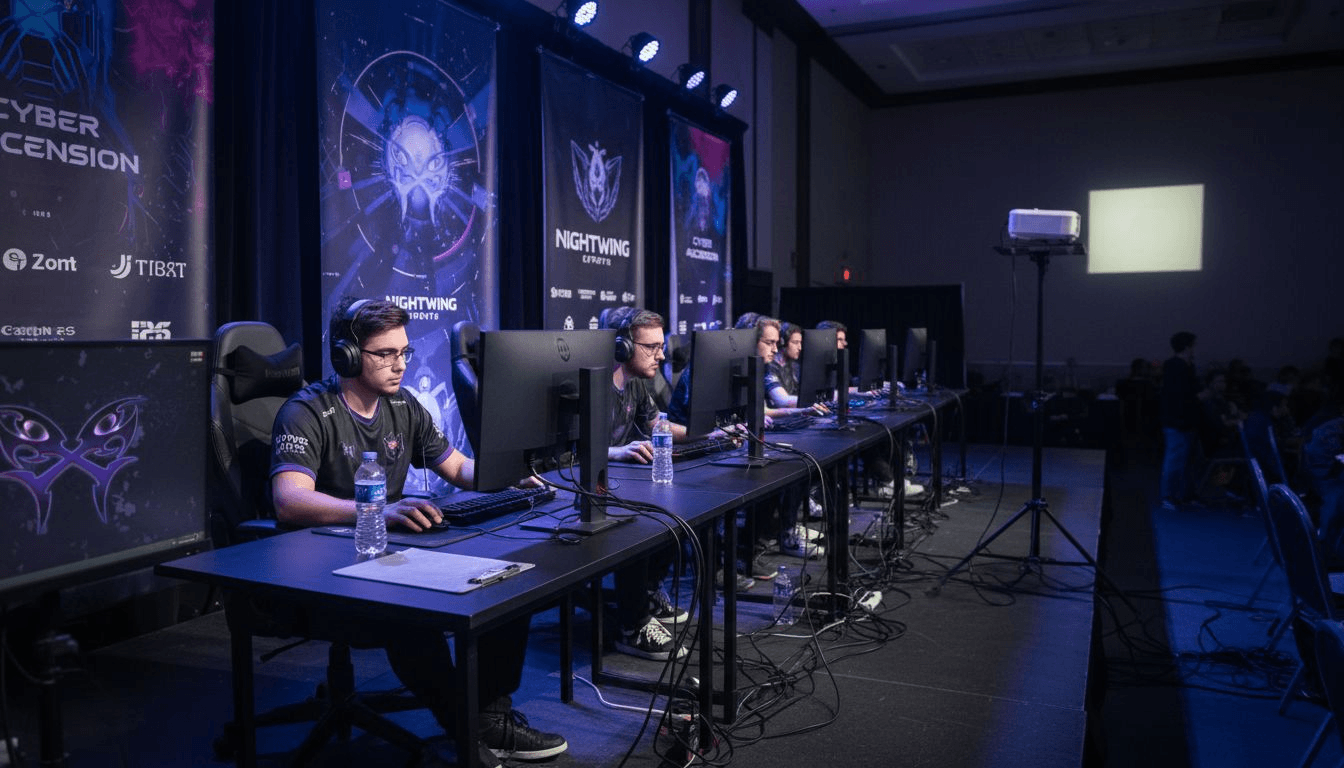
Selecting the right esports event format is challenging but crucial for player growth and community vitality. This article presents innovative event ideas structured around clear criteria to help you design successful competitive esports events. You'll discover hybrid models, engagement strategies, and practical planning guidance tailored for competitive gamers and organizers seeking formats that develop skills while building vibrant communities.
Table of Contents
- Selection Criteria: Choosing The Right Esports Event Format
- Innovative Event Formats And Hybrid Execution
- Community Engagement And Fan Interaction
- Comparing Esports Event Formats And Their Benefits
- Player Development And Structured Competitive Settings
- Practical Considerations For Organizing Esports Events
- Summary Comparison: Event Ideas At A Glance
- Situational Picks: Choosing The Best Event For Your Goals
- Boost Your Esports Events With Xyra Esports
Key takeaways
| Point | Details |
|---|---|
| Selection criteria | Prioritize skill development, engagement, and logistics when evaluating formats. |
| Innovative formats | Hybrid events, king-of-the-hill, and skill gauntlets offer diverse competitive experiences. |
| Fan interaction | AR/VR technology and live voting enrich spectator experiences and community bonds. |
| Format comparison | Side-by-side analysis reveals pros, cons, and ideal use cases for each format type. |
| Situational guidance | Match event formats to specific goals like skill growth, engagement, or scalability. |
Selection criteria: choosing the right esports event format
Define and prioritize your event goals before choosing formats. Ask yourself: Are you focused on skill progression, community building, or competitive prestige? Clear objectives shape every downstream decision.
Focus on how event formats promote player skill progression. Long-term leagues emphasize consistency and growth, while single-day tournaments test immediate execution. Selection criteria include player skill development, community engagement, logistical complexity, technology integration, and scalability.
Consider community engagement potential for sustained interest. Formats enabling fan interaction, hybrid participation, and social connection generate repeat attendance and loyalty. Events that isolate players from fans miss opportunities to build lasting communities.
Evaluate logistical demands and budget implications. Single elimination is lean and fast, while round robin requires extensive venue time and scheduling complexity. Match format complexity to your available resources and organizational capacity.
Assess technology needs for interactivity and hybrid formats. Modern esports events increasingly blend physical venues with online participation, requiring streaming infrastructure, moderation tools, and connectivity solutions. Budget for quality production if you want professional presentation.
Plan for scalability and sustainable event growth. Regional splits and seasonal structures allow you to expand participant pools gradually. One-off mega-events are exciting but difficult to repeat without established systems.
Pro Tip: Create a weighted scorecard rating each format against your top three priorities to make objective format decisions rather than following trends.
Innovative event formats and hybrid execution
Year-long league circuits promote consistency and player growth. The VALORANT Champions Tour 2026 operates year-long regional leagues culminating in international LAN finals, fostering consistent competition and skill development. These circuits reward preparation, adaptation, and sustained performance rather than single-day heroics.
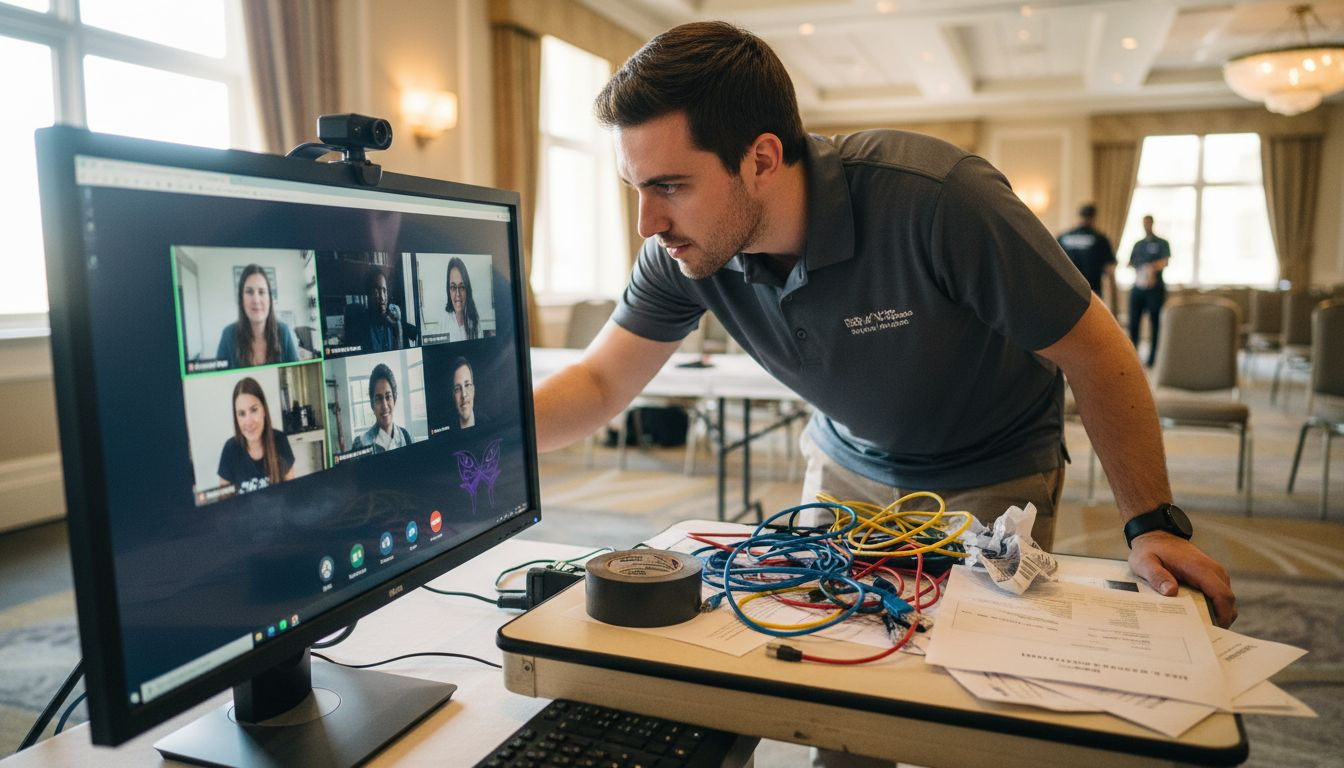
Hybrid event models blend physical venues with online participation. Over 70% of Tier 1 esports events in 2026 include hybrid elements combining in-person and virtual components. Physical venues create energy and spectacle while online brackets expand accessibility and participation scale.
King-of-the-Hill formats encourage competitive adaptability. One player or team holds the crown and faces rotating challengers in rapid succession. This creates dynamic matchups, keeps audiences engaged, and tests competitors' stamina and strategic flexibility under pressure.
Skill gauntlets offer structured player challenges and training. Competitors progress through escalating difficulty tiers, each testing specific mechanics or game knowledge. Between rounds, coaches provide targeted feedback, making gauntlets effective esports training vehicles that combine competition with education.
Regional splits support scalable, sustained seasonal competition. Regional esports league formats emphasize long-term team growth with season splits and playoffs rather than single elimination. Splitting geographics reduces travel costs while maintaining competitive intensity and local fan bases.
Implementing hybrid requires careful technology and logistics planning:
- Establish robust streaming infrastructure with backup connections
- Synchronize online and physical bracket timing to avoid delays
- Deploy anti-cheat and monitoring tools for remote participants
- Create unified spectator experiences across venues and streams
- Test all systems thoroughly before competition begins
Community engagement and fan interaction
Live fan voting for MVPs and awards increases viewer involvement. Spectators become active participants rather than passive observers, creating investment in match outcomes and player narratives. Real-time polls during breaks maintain engagement between games.
Augmented reality and virtual reality enhance immersive spectator experiences. Technology integration such as AR and VR for fan experiences is emerging at major esports tournaments to increase engagement and immersive participation. Fans can view matches from player perspectives, explore virtual team spaces, or interact with holographic displays.
Interactive match polls and trivia engage fans during gameplay. Quick questions about strategy predictions, player stats, or game mechanics keep minds active and conversations flowing. Correct answers can unlock exclusive content or prize entries, gamifying the spectator experience.
Virtual meet-and-greets and fan reward systems build loyalty. Digital autograph sessions, exclusive Q&A streams, and tiered reward programs for attendance or participation create meaningful connections between players and community members. These touchpoints transform casual viewers into committed fans.
Hybrid events expand reach to both physical and online audiences. Large-scale in-person events attract tens of thousands onsite with millions of online viewers in hybrid formats. This dual approach maximizes impact while accommodating diverse participation preferences and geographic constraints.
Pro Tip: Design engagement mechanics that reward both active participation and passive viewing to accommodate different fan engagement styles and build inclusive communities.
Comparing esports event formats and their benefits
Single elimination is straightforward but limited in second chances. Winners advance, losers leave. This format is time-efficient and creates high-stakes drama, but eliminates half the bracket immediately and can feel punishing for players who traveled far for one match.
Double elimination offers player redemption with longer duration and cost. Every competitor gets a second opportunity via the lower bracket, creating redemption storylines and ensuring more matches per participant. However, this format demands roughly twice the venue time and production resources.
Round robin rewards consistent performance but demands complex scheduling. Every team plays every other team, making final standings truly merit-based. Unfortunately, match counts explode with participant numbers, requiring extensive planning and potentially creating unbalanced rest periods.
King-of-the-Hill builds continuous pressure and dynamic matchups. King-of-the-Hill formats encourage sustained competitive pressure, supporting skill growth. Defending champions face fresh opponents repeatedly, testing endurance and adaptability. This format excels for showcasing individual skill and creating memorable championship runs.
Skill gauntlets combine challenges with coaching, aiding player development. Structured progression through difficulty tiers provides clear improvement pathways. Integrated coaching transforms competition into education, making gauntlets ideal for training events or rookie development programs.
| Format | Pros | Cons | Best For |
|---|---|---|---|
| Single Elimination | Fast, dramatic, budget-friendly | No second chances, early upsets | Large participant pools, time constraints |
| Double Elimination | Player redemption, more matches | Longer duration, higher costs | Serious competition, fairness priority |
| Round Robin | True merit ranking, consistent play | Scheduling complexity, time-intensive | Small brackets, league play |
| King-of-the-Hill | Dynamic matchups, endurance test | Physically demanding, potential snowball | Showcasing champions, skill display |
| Skill Gauntlet | Player development, coaching integration | Requires structured challenges | Training events, rookie programs |
| Hybrid League | Broad reach, scalability | Technology complexity, coordination | Long-term competition, community building |
At least 60% of competitive esports tournaments in 2026 experiment with alternative formats beyond single elimination, reflecting organizers' desire to balance competitive integrity with participant experience and logistical realities.
Player development and structured competitive settings
Long-term seasonal leagues promote steady skill and team growth. Annual League of Legends regional leagues run multi-month splits focusing on team development and performance consistency. This structure allows players to identify weaknesses, implement training, and measure progress across repeated competitive tests.
Skill gauntlet formats provide focused player challenges with feedback. Skill gauntlets and challenges combined with coaching feedback enhance player skills and team cohesion. Participants receive immediate, actionable input on specific mechanical or strategic deficiencies, accelerating improvement cycles compared to unstructured practice.
Coaching integration in events enhances competitive learning. Dedicated coaching windows between matches or rounds transform tournaments into intensive training camps. Players apply lessons immediately in subsequent games, reinforcing concepts through live competition rather than isolated drills.
Structured competition builds accountability and performance tracking. Regular match schedules, published statistics, and transparent rankings create systems where effort directly correlates with measurable outcomes. This accountability drives consistent practice habits and professional attitudes among participants.
Community tournaments support developmental pathways for emerging players. Accessible entry-level events with clear progression routes to advanced competition provide realistic aspirational ladders. Players experience competitive environments appropriate to their skill level while understanding next-step requirements, following proven esports training pathways.
Practical considerations for organizing esports events
Start planning 6+ months in advance for major events. Complex logistics like venue booking, sponsorship negotiations, and participant recruitment demand extended timelines. Early planning also secures better pricing and availability for critical resources.
Secure sponsorships early to ensure prize pools and production quality. Budget and sponsorship acquisition are critical for securing prize pools and broadcast quality, with major events relying on multi-million dollar packages. Approach potential sponsors with detailed proposals showing audience demographics, engagement metrics, and activation opportunities.
Budget realistically for venue, technology, marketing, and staffing. Underestimating costs is the fastest path to event failure. Include contingency funds for unexpected technical issues, last-minute participant accommodations, or emergency equipment rentals.
Choose venues and tech that support hybrid and AR/VR integrations. Modern esports events require reliable high-speed internet, adequate power distribution, flexible lighting for broadcast, and acoustic treatment for clear audio. Verify infrastructure capabilities before committing to venues.
Use stepwise checklists for planning milestones and risk management:
- Define event goals, format, and target audience (6+ months out)
- Secure venue, sponsors, and initial budget (5 months out)
- Launch registration, marketing, and rules publication (4 months out)
- Finalize technology setup, staffing, and contingency plans (2 months out)
- Conduct technical rehearsals and participant communications (2 weeks out)
- Execute event with real-time monitoring and support teams (event day)
- Gather feedback and publish results for future improvement (post-event)
Distinguishing between competitive gaming and casual play helps you set appropriate event expectations and participation requirements.
Summary comparison: event ideas at a glance
This condensed overview compares esports event formats across strategic dimensions to support quick decision-making. Use this reference to evaluate trade-offs between complexity, impact, and engagement for your specific circumstances.
| Event Idea | Format Type | Complexity | Skill Development | Community Engagement | Cost | Scalability |
|---|---|---|---|---|---|---|
| Single Elimination | Bracket | Low | Moderate | Low | Low | High |
| Double Elimination | Bracket | Medium | High | Medium | Medium | Medium |
| Round Robin | League | High | High | Medium | High | Low |
| King-of-the-Hill | Challenge | Medium | High | High | Medium | Medium |
| Skill Gauntlet | Training | Medium | Very High | Medium | Medium | High |
| Year-Long League | Seasonal | High | Very High | High | High | High |
| Hybrid Event | Multi-Modal | Very High | High | Very High | Very High | Very High |
| Regional Splits | Geographic | High | High | Very High | High | Very High |
| Fan-Interactive | Enhanced | Medium | Medium | Very High | Medium | Medium |
The table demonstrates practical trade-offs organizers face. High-impact formats like year-long leagues and hybrid events deliver exceptional results but demand substantial resources and organizational capacity. Budget-conscious organizers can achieve meaningful outcomes with simpler formats by focusing execution quality over complexity.
Situational picks: choosing the best event for your goals
Skill development calls for skill gauntlets and league circuits. These formats provide structured environments for refinement through repeated competitive tests, integrated coaching, and clear progression milestones. Choose gauntlets for intensive short-term training or leagues for sustained long-term growth.
Community engagement excels with hybrid and fan-interactive formats. Events incorporating live voting, AR/VR experiences, and multi-platform participation create memorable shared experiences. Prioritize these formats when building or energizing your community is the primary objective.
Scalability favors regional league splits that manage growth smoothly. Geographic distribution reduces travel barriers, allows localized marketing, and creates natural expansion pathways as player pools increase. Start with one region and add others as organizational capacity grows.
Rookie and community-level events benefit from challenge tournaments fostering skills and bonding. Accessible entry requirements, skill-appropriate competition, and supportive atmospheres help emerging players build confidence and connections. Avoid overly complex formats that intimidate newcomers.
Choose formats aligning closely with your primary event objectives for best outcomes. Trying to optimize for every dimension simultaneously spreads resources thin and dilutes impact. Define your top priority, select the format excelling in that dimension, and execute it excellently.
Pro Tip: Survey your target participant base about format preferences before finalizing plans to ensure your event design matches actual player desires rather than organizer assumptions.
Boost your esports events with Xyra Esports
Xyra Esports offers expert support for competitive gamers and organizers seeking to elevate their tournaments and community engagement. Our organization specializes in structured competitive environments that develop player skills while fostering strong team cohesion and leadership.
Connect with a vibrant community focused on skill development and esports event innovation through Xyra Esports. We provide coaching resources, competitive opportunities, and organizational frameworks that help you implement the event ideas discussed in this article.
Leverage Xyra's resources to elevate your tournaments and grow your esports presence. Visit the Xyra Esports homepage to explore our programs, join our community, and access tools designed for serious competitive gaming organizations committed to long-term player development and professional event execution.
FAQ
What are the most effective esports event formats for player development?
Skill gauntlets and long-term league circuits provide structured environments for skill refinement and consistency. These formats combine competitive pressure with coaching integration and repeated testing, allowing players to identify weaknesses and measure progress. Explore detailed esports training strategies to complement competitive event participation.
How can esports events boost community engagement effectively?
Incorporating hybrid event structures with interactive fan features like live voting and AR/VR experiences significantly boosts engagement. These technologies transform passive spectators into active participants, creating memorable shared experiences that build loyalty. Combining physical and virtual elements expands reach while accommodating diverse participation preferences.
What practical steps are essential for successful esports event planning?
Start detailed planning 6+ months ahead, secure sponsorships early, and budget for logistics and technology to ensure success. Budget and sponsorship acquisition are critical for securing prize pools and broadcast quality. Use stepwise checklists to track milestones, manage risks, and coordinate the complex moving parts of modern competitive gaming events.