
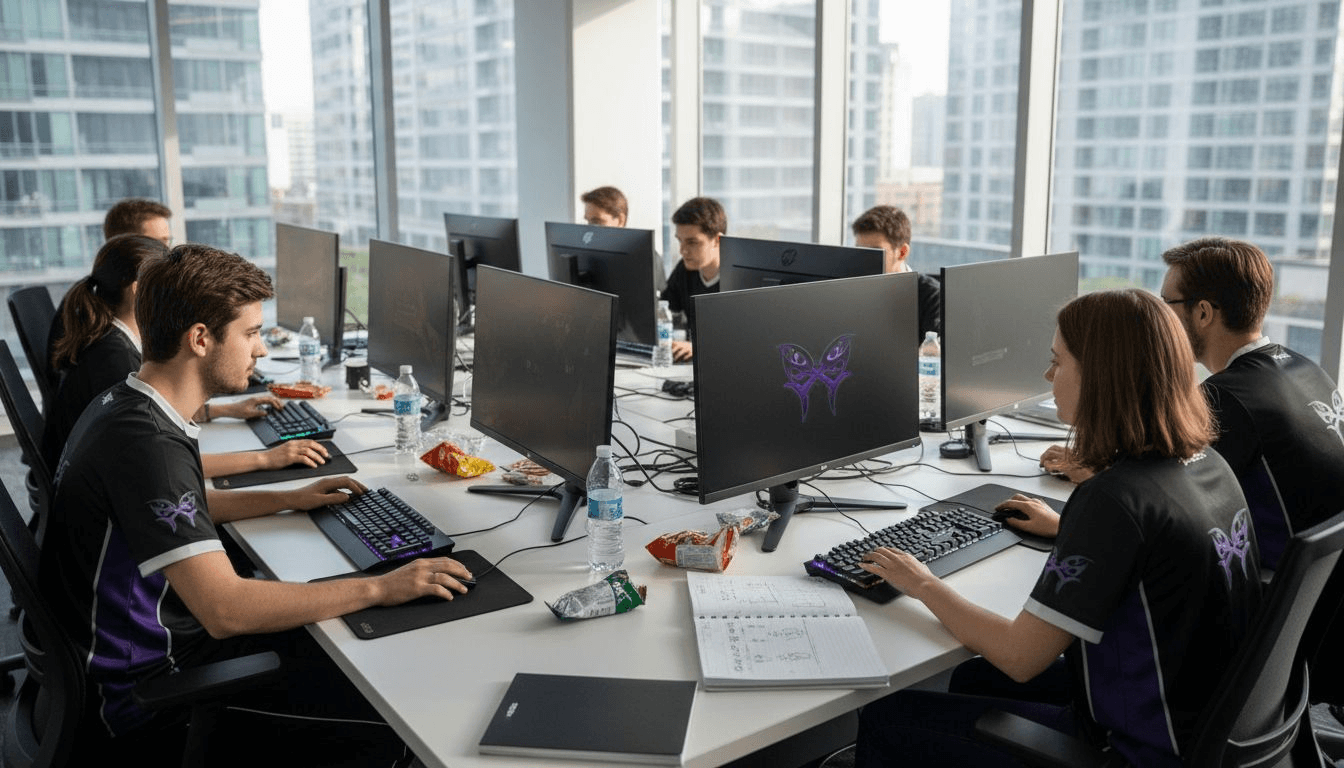
Aspiring competitive gamers often struggle to break through performance plateaus despite countless hours of practice. Structured esports training offers a proven pathway to measurable improvement through coach-led programs, data analytics, and balanced team environments. This article explores seven research-backed benefits that demonstrate how disciplined training accelerates skill development, enhances mental resilience, and builds the foundation for sustainable competitive success in 2026 and beyond.
Table of Contents
- How to evaluate structured esports training programs
- 1. Faster reaction times and improved decision-making
- 2. Enhanced physical and mental well-being
- 3. Optimized team dynamics and strategic execution
- Comparing structured esports training benefits side by side
- Take your esports training to the next level with Xyra Esports
- Frequently asked questions
Key takeaways
| Point | Details |
|---|---|
| Cognitive gains | Structured training improves reaction time by 15-25% and decision-making accuracy by 10-20%. |
| Physical benefits | HIIT programs boost gaming performance, VO2max, and sleep quality in just six weeks. |
| Mental health | Structured teams reduce stress by 40% and burnout symptoms by 35%. |
| Team dynamics | Balanced communication hierarchies foster creativity while maintaining strategic coherence. |
| Data-driven development | Performance analytics identify weak points for targeted skill improvement. |
How to evaluate structured esports training programs
Structured esports training represents a systematic, coach-led approach focused on measurable skill growth rather than casual gameplay. Effective programs combine personalized coaching, regular scrimmages, and data-driven feedback to create iterative improvement cycles. This disciplined framework stands in sharp contrast to unstructured play, which often leads to slower progress and missed development opportunities.
What separates quality programs from recreational gaming? Look for these core elements:
- Personalized coaching tailored to individual strengths and weaknesses
- Regular practice matches with structured debriefing sessions
- Performance analytics tracking key indicators like accuracy and reaction time
- Balanced team hierarchies that encourage player input without creating chaos
The best programs balance top-down leadership with creative freedom. Overly rigid structures stifle innovation, while complete player autonomy creates disorganization. Finding this equilibrium requires experienced coaches who understand competitive dynamics. For comprehensive guidance on building effective training routines, explore our esports training guide.
1. Faster reaction times and improved decision-making
Reaction speed and split-second decisions determine victory in competitive gaming. Research demonstrates that structured training improves reaction time by 15-25% and enhances decision-making accuracy by 10-20% compared to casual play. These gains come from targeted drills, immediate feedback, and scenario simulations that replicate high-pressure competitive situations.
Data analytics play a crucial role in accelerating cognitive development. Advanced techniques identify performance indicators like map navigation efficiency, vision control, and win prediction accuracy in games like League of Legends. Coaches use this information to design custom training plans addressing each player's specific weaknesses.
| Training Method | Reaction Time Improvement | Decision Accuracy Gain |
|---|---|---|
| Structured program | 15-25% | 10-20% |
| Casual play | 3-7% | 2-5% |
| Self-directed practice | 8-12% | 5-8% |
Pro Tip: Track your reaction time weekly using dedicated tools. Small improvements compound over months, creating significant competitive advantages. Combine these measurements with clear performance goals to maintain motivation during training plateaus.
The key to maximizing cognitive gains lies in deliberate practice. Random gameplay rarely targets specific skill deficits. Structured programs identify exactly where you lose milliseconds or make suboptimal choices, then design drills to eliminate these weaknesses systematically.
2. Enhanced physical and mental well-being
Physical fitness directly impacts gaming performance through improved endurance, sharper reaction times, and better recovery. A six-week HIIT program enhanced FPS gaming skills including reaction time and accuracy while simultaneously improving VO2max and sleep quality. These results demonstrate that physical training complements rather than competes with gaming practice.
Mental health benefits prove equally significant in structured environments. Sleep counseling improves heart rate variability and neurocognitive reaction times in esports athletes. Combined with team support systems, structured environments reduce stress by 40% and burnout symptoms by 35%.
| Metric | Before HIIT | After 6 Weeks | Improvement |
|---|---|---|---|
| Reaction time (ms) | 285 | 245 | 14% faster |
| Sleep quality score | 6.2/10 | 8.1/10 | 31% better |
| VO2max (ml/kg/min) | 42 | 48 | 14% increase |
| Gaming accuracy | 76% | 84% | 11% gain |
Why does physical fitness matter for esports? Your brain requires oxygen and nutrients delivered efficiently through cardiovascular health. Better circulation means faster neural processing. Improved sleep quality enhances memory consolidation, helping you retain strategic lessons and muscle memory from practice sessions.
Pro Tip: Start with three 20-minute HIIT sessions weekly. This time-efficient approach delivers measurable gaming performance improvements without overwhelming your training schedule. Pair fitness work with proper nutrition and sleep habits for optimal results, as outlined in our professional conduct guide.
Structured programs integrate physical training naturally into weekly schedules. You do not need to choose between gaming practice and fitness. Smart programming balances both, recognizing that physical health creates the foundation for sustained competitive excellence.
3. Optimized team dynamics and strategic execution
Structured teams use organized communication channels and defined roles to execute complex strategies consistently. Research shows structured teams reduce burnout by 35% and stress levels by 40%, creating healthier environments for long-term development. This organizational clarity eliminates confusion about responsibilities while maintaining space for creative tactical innovation.
Balancing structure with player autonomy proves critical for team success. Effective hierarchies combine top-down leadership with genuine player input, avoiding the extremes of autocratic control or chaotic democracy. Teams that achieve this balance show higher satisfaction, better mental health, and superior competitive results.
"The best esports teams establish clear communication hierarchies without stifling individual creativity. Players need defined roles and leadership direction, but also freedom to innovate within that structure." - Aaron Connolly, esports team dynamics researcher
Unstructured environments create hidden costs. Without clear roles, players duplicate efforts or leave critical tasks unaddressed. Communication becomes reactive rather than strategic. Stress accumulates as players navigate ambiguous expectations. Over time, these inefficiencies compound into performance gaps against disciplined opponents.
What makes team structure effective? Consider these elements:
- Clear role definitions with ownership over specific strategic responsibilities
- Regular team meetings for strategy review and tactical adjustments
- Established feedback channels allowing bottom-up communication
- Defined escalation paths for resolving conflicts constructively
For deeper insights on competitive team dynamics versus casual play, review our analysis of competitive gaming vs casual play. Teams that embrace structure while nurturing creativity gain sustainable advantages. You can also explore innovative event formats that reinforce team cohesion.
Comparing structured esports training benefits side by side
Understanding how different training benefits interact helps you evaluate programs effectively. This comparison highlights measurable metrics, psychological impacts, and performance outcomes across key benefit areas.
| Benefit Area | Measurable Metrics | Psychological Impact | Performance Outcome |
|---|---|---|---|
| Cognitive skills | 15-25% faster reaction time, 10-20% better decisions | Increased confidence in high-pressure situations | Consistent clutch plays, fewer mistakes |
| Physical health | 14% VO2max improvement, 31% better sleep quality | Reduced fatigue, sustained focus | Longer practice sessions, faster recovery |
| Mental resilience | 40% less stress, 35% lower burnout | Improved team satisfaction, career longevity | Stable performance under pressure |
| Team dynamics | 30% faster strategy execution | Higher trust, clearer communication | Complex tactics executed reliably |
| Strategic depth | 25% more tactical variations | Creative innovation within structure | Unpredictable gameplay, competitive edge |
These benefits interconnect rather than exist in isolation. Physical fitness supports cognitive performance. Mental health enables effective teamwork. Strategic structure provides the framework for individual creativity. The most successful programs address all areas simultaneously, creating compound improvements that exceed the sum of individual gains.
Notice how structured training delivers both immediate and long-term advantages. Reaction time improvements appear within weeks. Mental health benefits build over months. Strategic depth develops across seasons. This multi-timeframe impact makes structured programs valuable for players at any competitive level. Learn more about building comprehensive training systems in our detailed esports training guide.
Take your esports training to the next level with Xyra Esports
Xyra Esports offers structured coaching, performance analytics, and community support specifically designed for serious competitive gamers ready to elevate their skills. Our proven programs incorporate physical fitness protocols, nutrition guidance, and mental health resources that address every performance dimension covered in this article.
We combine expert coaching with data-driven feedback systems that identify your specific improvement opportunities. Whether you want faster reaction times, better team coordination, or sustainable competitive habits, our disciplined framework accelerates your development. Our community provides the accountability and support structure that transforms potential into measurable results.
Pro Tip: Consistency matters more than intensity when starting structured training. Follow our step-by-step training guide and apply goal-setting principles to track progress systematically. Small daily improvements compound into significant competitive advantages over months.
Frequently asked questions
What is structured esports training?
Structured esports training is a disciplined, systematic approach involving professional coaching, regular practice schedules, and data-driven performance analysis. Unlike casual play focused on entertainment, structured programs target measurable improvement in specific skill areas through deliberate practice and iterative feedback cycles. This methodology applies proven athletic training principles to competitive gaming contexts.
How does physical fitness improve esports performance?
Physical fitness enhances cognitive functions like reaction time and decision-making through improved cardiovascular health and oxygen delivery to the brain. HIIT programs specifically improve reaction time and sleep quality, creating compound benefits for gaming performance. Better endurance also enables longer effective practice sessions without mental fatigue degrading skill execution.
Can structured teams help prevent burnout?
Yes, structured teams reduce stress by 40% and burnout symptoms by 35% through clear role definitions and organized communication channels. This clarity eliminates ambiguity about expectations while providing support systems that address mental health proactively. Players in structured environments report higher satisfaction and longer competitive careers compared to chaotic team situations.
What should I look for when choosing a structured esports training program?
Prioritize programs offering personalized coaching, data-driven feedback systems, team collaboration opportunities, and integrated physical and mental health support. Verify the program's track record by reviewing measurable performance improvements achieved by previous participants with similar skill levels. Quality programs balance structured guidance with creative freedom, avoiding both rigid control and directionless chaos. Explore our comprehensive esports training guide for detailed selection criteria.