
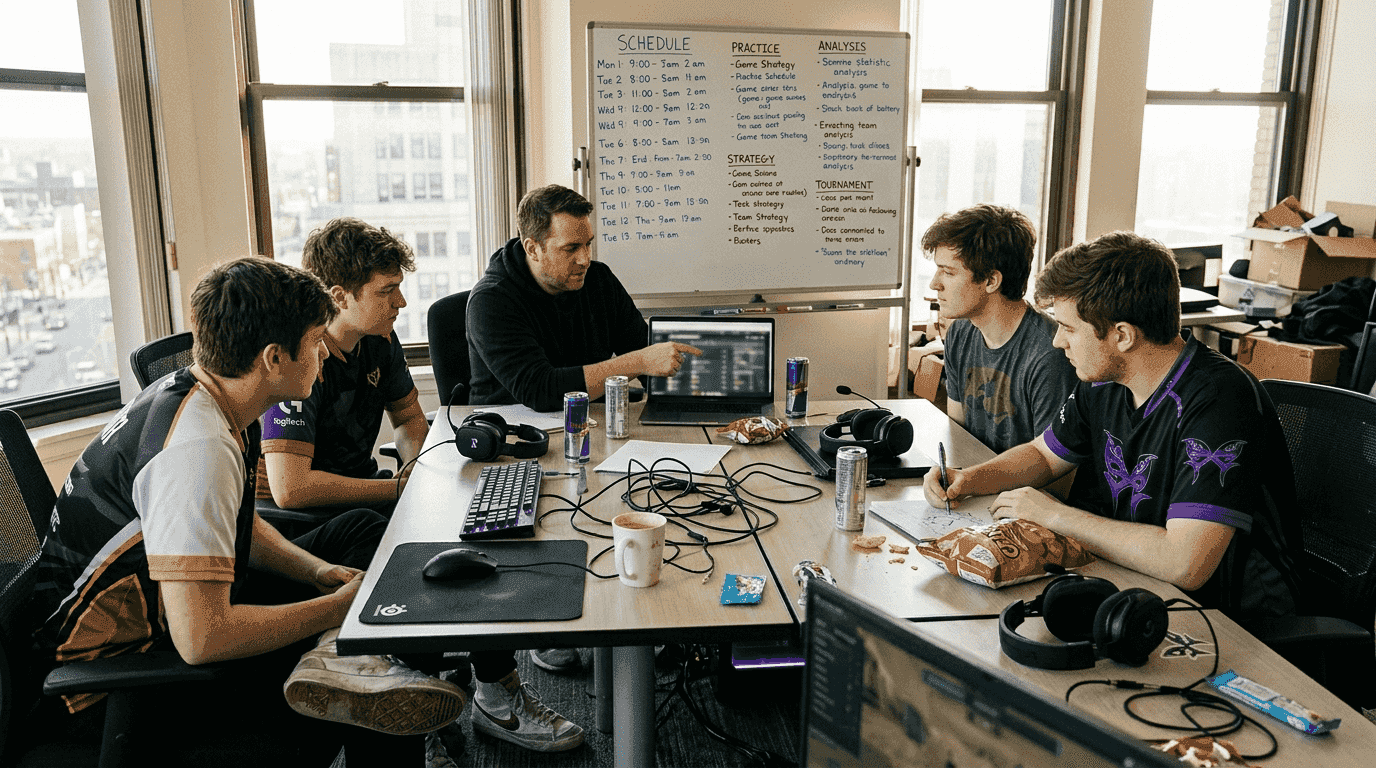
Many competitive gamers believe professionalizing esports teams is simply about securing big sponsorship deals or tournament prize pools. This misconception overlooks the true foundation of sustainable competitive success. Real professionalization involves building comprehensive infrastructure, implementing structured coaching systems, and creating support mechanisms that mirror traditional sports organizations. This article breaks down the practical benefits of professionalizing esports teams, from high-performance environments and resource allocation to ecosystem dynamics and performance optimization strategies that separate amateur play from professional competitive gaming.
Table of Contents
- Understanding Esports Professionalization Beyond Finances
- High-Performance Environments: Resource Disparities And Player Support
- The Role Of Esports Ecosystem Dynamics And Business Models
- Optimizing Performance: Training, Nutrition, And Human-Computer Interaction
- Explore Professional Esports Opportunities With Xyra Esports
- Frequently Asked Questions About Professionalizing Esports Teams
Key takeaways
| Point | Details |
|---|---|
| Infrastructure matters more than funding | Professional teams require coaching staff, data analysis systems, and player development programs beyond financial investment |
| Resource disparities affect performance | Major region teams with structured support systems show lower burnout rates and better competitive consistency |
| Ecosystem dynamics shape opportunities | Publisher control and diversified revenue models directly influence team sustainability and growth potential |
| Performance optimization is multifaceted | Training protocols, nutrition plans, and equipment quality combine to create competitive advantages |
| Professional structures reduce burnout | Organized support systems improve player well-being and extend competitive careers |
Understanding esports professionalization beyond finances
Professionalizing esports teams involves far more than writing bigger checks. Esports professionalization extends beyond money to encompass comprehensive operational frameworks that support player development and competitive consistency. The infrastructure includes dedicated coaching staff who analyze gameplay patterns, scouting systems that identify emerging talent, data analysts who track performance metrics, and legally binding player contracts that protect both organizations and competitors.
Traditional sports organizations spent decades refining operational models that esports teams now adapt for digital competition. These frameworks provide clear career pathways, performance benchmarks, and accountability structures. Financial backing enables these systems, but money alone cannot create the organizational discipline required for sustained competitive excellence. Teams that invest in professional conduct and career development establish foundations for long-term success rather than short-term tournament wins.
Professional esports organizations implement structured support mechanisms across multiple domains:
- Coaching staff who develop game-specific strategies and review match footage
- Performance analysts tracking individual and team metrics
- Mental health professionals addressing competitive stress and burnout
- Nutritionists optimizing diet for cognitive performance
- Team managers coordinating schedules and logistics
Pro Tip: Organizations should prioritize building coaching infrastructure before expanding team rosters, as quality player development systems yield better results than simply recruiting more competitors.
The distinction between amateur and professional play centers on systematic approaches to improvement. Amateur teams rely on individual skill and informal practice sessions. Professional organizations create repeatable processes for identifying weaknesses, implementing corrections, and measuring progress. This structured methodology transforms natural talent into consistent competitive performance while extending player careers through better health management and strategic development.
High-performance environments: resource disparities and player support
Resource allocation creates dramatic performance gaps between major and minor region esports teams. Players from major regions benefit from structured support, including dedicated training facilities, psychological services, and in-person cohesion-building strategies that minor region competitors often lack. These disparities extend beyond physical resources to encompass access to experienced coaching staff, advanced analytics tools, and comprehensive wellness programs.
Major region organizations invest heavily in creating environments where players can focus exclusively on competitive improvement. Purpose-built training facilities provide optimal equipment, ergonomic workstations, and spaces designed for both individual practice and team coordination. Psychological support services help competitors manage performance anxiety, maintain motivation during losing streaks, and develop mental resilience. Regular team-building activities strengthen communication and trust, critical factors in high-pressure tournament situations.
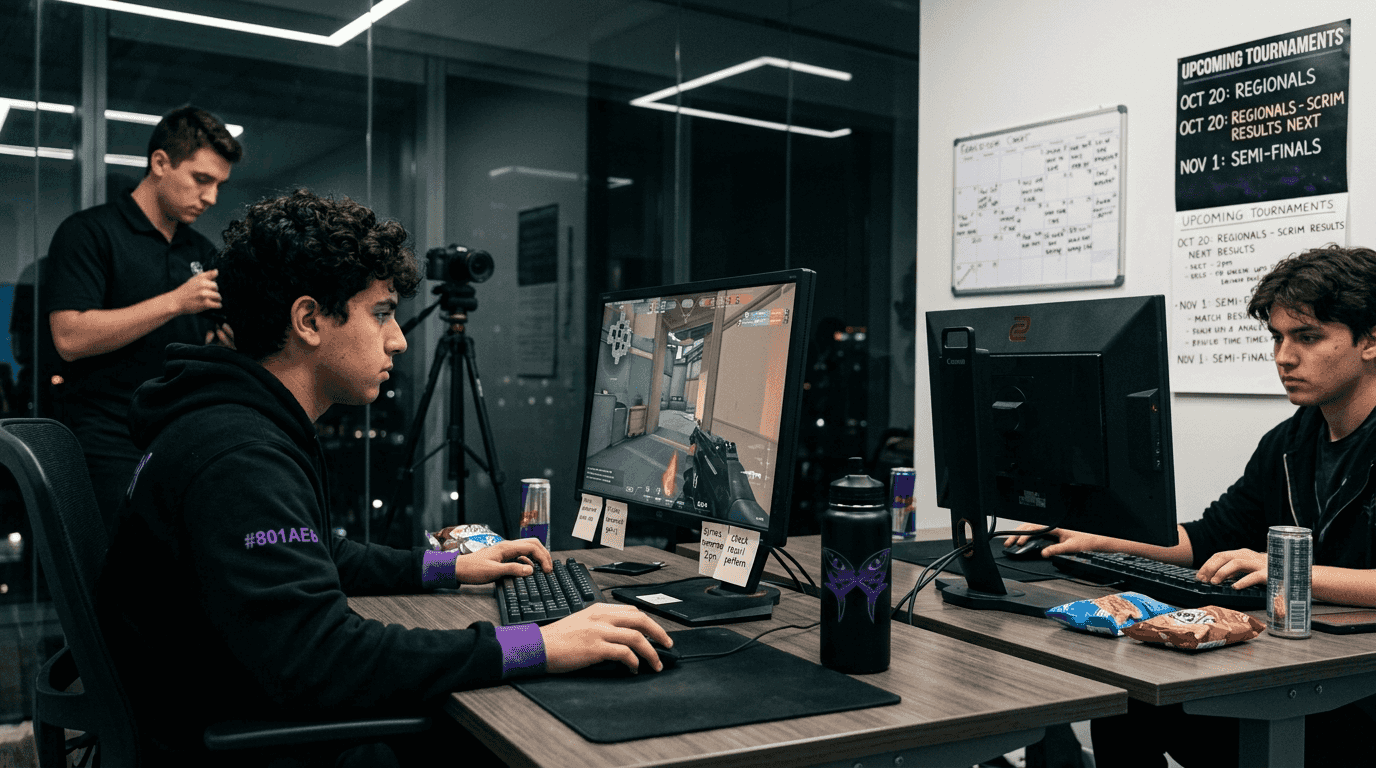
Minor region players face resource limitations and restricted access to support services, creating higher burnout risks that threaten both individual careers and team stability. Without dedicated facilities, these competitors often practice from home with inconsistent internet connections and suboptimal equipment. Limited access to sports psychologists means mental health challenges go unaddressed until they impact performance. The absence of structured team environments forces players to balance competitive commitments with other responsibilities, increasing stress and reducing focus.
| Support Category | Major Region Teams | Minor Region Teams |
|---|---|---|
| Training Facilities | Dedicated gaming houses with professional setups | Home-based practice with variable equipment |
| Coaching Access | Full-time specialized coaches for each role | Part-time or volunteer coaching staff |
| Mental Health | Regular sessions with sports psychologists | Limited or no professional support |
| Team Cohesion | Structured in-person team building | Primarily online communication |
| Performance Analysis | Advanced analytics and replay review systems | Basic statistics and manual review |
Structured environments directly impact competitive outcomes through improved player well-being and team cohesion. Organizations implementing structured training programs report better tournament consistency, lower roster turnover, and stronger brand loyalty from players who feel supported beyond their competitive value. These benefits compound over time as experienced players mentor newer teammates within established systems rather than leaving for better opportunities.
Pro Tip: Teams operating with limited budgets should prioritize mental health support and basic analytics tools over expensive gaming houses, as psychological wellness and data-driven improvement deliver higher returns on investment for developing rosters.
The role of esports ecosystem dynamics and business models
Game publishers wield unprecedented control over competitive esports ecosystems, shaping industry consolidation through their authority over competition rights and financial structures. Publisher dominance in esports creates unique dynamics where game developers determine tournament formats, prize pool distributions, and even which organizations can field teams in official leagues. This centralized power distinguishes esports from traditional sports where leagues operate independently from equipment manufacturers.
Successful organizations adapt by diversifying revenue streams beyond tournament winnings and publisher-controlled prize pools. Riot Games' diversified revenue model demonstrates how merchandising, media rights, virtual events, and digital content creation generate sustainable income independent of competitive results. Teams following this approach build brands that transcend individual game titles, protecting against publisher decisions that might eliminate specific competitive scenes.
Professionalized teams navigate ecosystem dynamics through strategic planning that accounts for multiple revenue channels:
- Merchandise sales leveraging team branding and player personalities
- Content creation producing educational and entertainment value
- Sponsorship deals aligned with target audience demographics
- Media rights for tournament broadcasts and documentary content
- Virtual events creating community engagement opportunities
Publisher relationships require careful management as game developers balance competitive integrity with commercial interests. Organizations that understand these dynamics position themselves as valuable ecosystem partners rather than simply tournament participants. They contribute to game promotion, community building, and content creation that benefits publishers while securing their own operational stability.
| Revenue Stream | Dependency on Publishers | Sustainability Rating | Growth Potential |
|---|---|---|---|
| Tournament Prizes | High | Low | Limited by publisher decisions |
| Sponsorships | Medium | Medium | Scales with brand strength |
| Merchandise | Low | High | Direct audience monetization |
| Media Rights | Medium | High | Growing with esports viewership |
| Content Creation | Low | High | Platform-independent revenue |
Long-term strategic planning incorporates ecosystem evolution, anticipating shifts in publisher priorities and emerging revenue opportunities. Teams investing in goal setting frameworks that extend beyond immediate competitive success build resilience against industry volatility. This forward-thinking approach separates organizations that survive publisher decisions from those that collapse when competitive scenes contract or prize pools decrease.
Optimizing performance: training, nutrition, and human-computer interaction
Esports performance depends on multiple interconnected factors including equipment quality, nutrition, individual attributes, training protocols, team dynamics, environmental conditions, and even geopolitical aspects affecting international competition. This complexity requires holistic optimization strategies that address physical health, mental preparation, and technological interaction simultaneously. Organizations treating esports purely as digital competition miss critical performance variables that separate elite competitors from skilled amateurs.
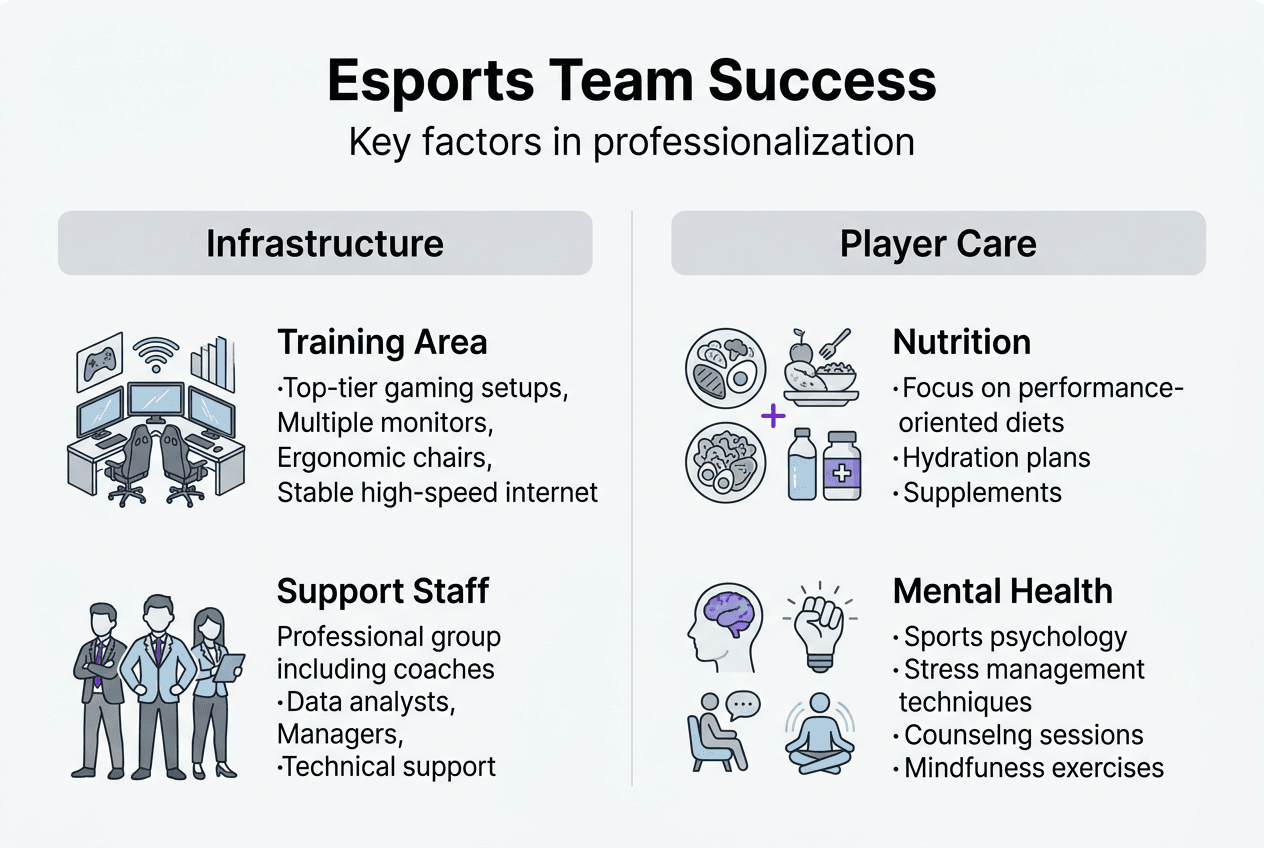
Nutritional optimization delivers measurable competitive advantages often overlooked by teams focused solely on mechanical skill development. Nutritional supplements improve aiming performance by reducing reaction time, demonstrating how physical health directly impacts digital precision. Proper hydration maintains cognitive function during extended practice sessions and tournament matches. Balanced macronutrient intake supports sustained energy levels without the crashes associated with high-sugar diets common among gamers.
Comprehensive performance optimization addresses multiple dimensions:
- Equipment calibration ensuring consistent input response and visual clarity
- Sleep schedules aligned with tournament timing and recovery needs
- Physical exercise maintaining cardiovascular health and reducing injury risk
- Ergonomic workstation design preventing repetitive strain injuries
- Environmental controls optimizing temperature, lighting, and noise levels
Pro Tip: Teams should implement baseline health assessments measuring sleep quality, nutrition habits, and physical fitness before investing in expensive equipment upgrades, as biological optimization often yields greater performance gains than hardware improvements.
Esports represents complex human-computer interaction where milliseconds determine competitive outcomes. Understanding this interaction requires analyzing how physical condition affects digital performance. Reaction time, hand-eye coordination, and sustained attention all depend on proper nutrition, adequate sleep, and physical fitness. Professional organizations integrate these factors into training regimens rather than treating them as separate from competitive preparation.
Team dynamics and environmental factors create additional performance variables requiring systematic management. Communication clarity during high-pressure situations depends on established protocols and trust built through structured team activities. Hosting engaging esports events strengthens team cohesion while providing low-stakes practice for tournament pressure. Environmental consistency, from practice facility temperature to tournament venue acoustics, helps players maintain focus and execute strategies reliably.
Explore professional esports opportunities with Xyra Esports
Transitioning from understanding professionalization concepts to implementing them requires structured support and expert guidance. Xyra Esports provides comprehensive programs designed for competitive gamers serious about developing professional-level skills and careers. Our organization combines structured training protocols, experienced coaching staff, and a supportive community focused on long-term competitive development rather than casual participation.
Join a professional environment where you can access the resources, mentorship, and team structure necessary for sustained competitive success. Whether you're developing foundational skills or refining advanced strategies, Xyra Esports offers pathways for ambitious players ready to commit to professional-level training and competition. Explore our programs today and take the next step in your competitive gaming career.
Frequently asked questions about professionalizing esports teams
What separates professional esports teams from casual gaming groups?
Professional teams implement structured coaching systems, performance analytics, player contracts, and comprehensive support services including mental health resources and nutritional guidance. Casual groups rely on informal practice and individual skill without systematic development frameworks or organizational infrastructure.
How does structured coaching impact player development in esports?
Coaching provides objective performance analysis, identifies improvement areas invisible to players during matches, and creates accountability systems that maintain consistent practice quality. Coaches also facilitate team communication, develop strategic frameworks, and help players manage competitive stress effectively.
Can esports players build sustainable careers through professionalization?
Professional structures extend competitive careers by reducing burnout through mental health support, preventing injuries via ergonomic optimization, and creating transition pathways into coaching, analysis, or content creation. Organizations investing in player development rather than short-term results enable longer, more stable careers.
Why do resource disparities between regions matter for competitive success?
Access to training facilities, coaching expertise, and support services directly impacts performance consistency and player longevity. Teams with comprehensive resources develop talent more effectively, maintain lower burnout rates, and achieve better tournament results over extended periods.
How do diversified revenue streams benefit professional esports teams?
Multiple income sources reduce dependence on tournament prizes and publisher decisions, creating financial stability that supports long-term planning. Revenue diversity enables organizations to invest in player development, retain talent, and survive competitive scene contractions. Understanding competitive gaming fundamentals helps players recognize organizations with sustainable business models.