
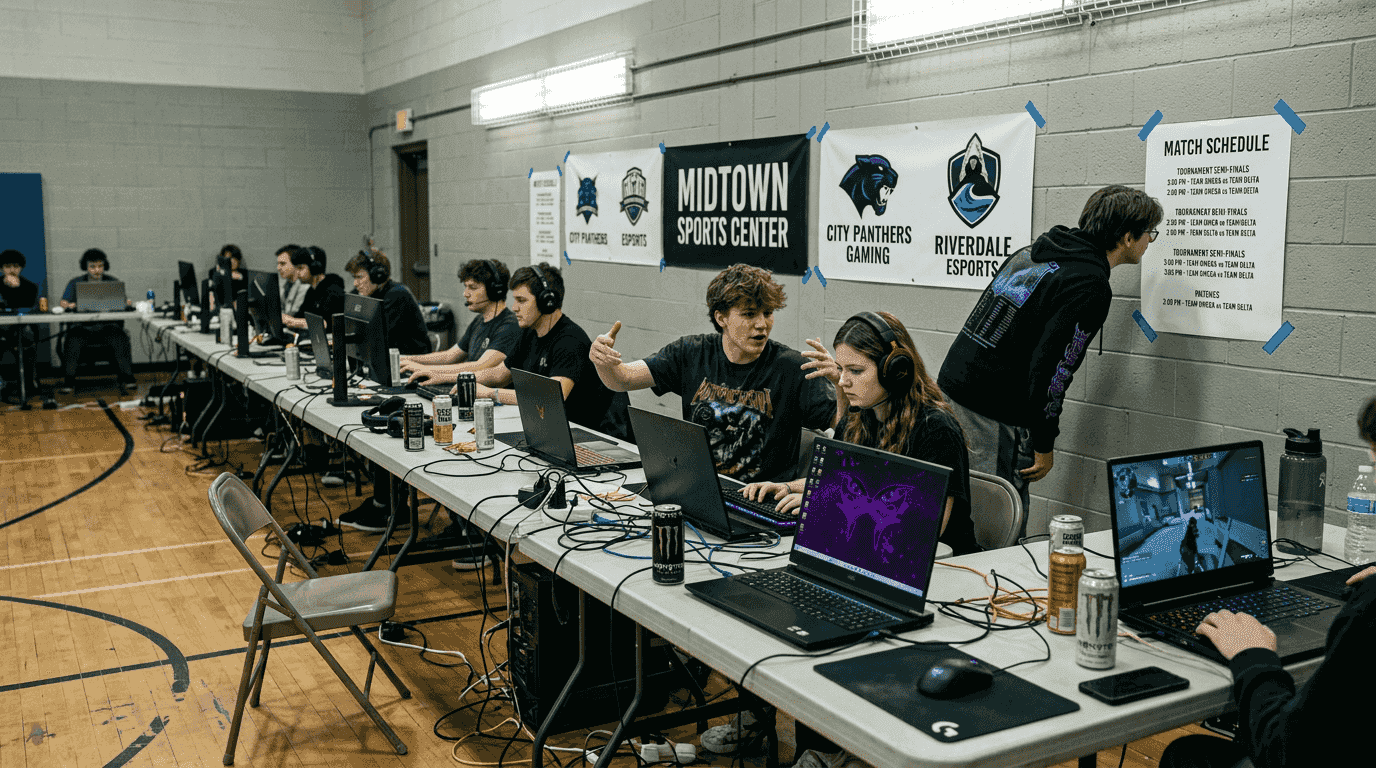
Most competitive gamers dismiss community events as casual distractions from ranked play, but this mindset overlooks a critical truth: structured tournament formats and organized community gatherings form the backbone of sustainable competitive growth. These events aren't just social meetups, they're strategic proving grounds where players test skills, build networks, and access opportunities that ranked queues simply can't provide. Understanding how tournament structures, platform innovations, and community dynamics intersect reveals why participation in organized events accelerates your competitive journey far beyond solo grinding.
Table of Contents
- Understanding Tournament Formats That Empower Community Events
- How Esports Community Events Strengthen Social Ties And Well-Being
- Leveraging Centralized Platforms To Drive Esports Community Growth And Retention
- Applying Esports Community Events To Boost Your Competitive Journey
- Explore Esports Community Opportunities With Xyra Esports
- Why Are Community Events Important In Esports?
Key takeaways
| Point | Details |
|---|---|
| Tournament formats shape fairness | Hybrid systems combining Swiss rounds with elimination playoffs balance competitive integrity with dramatic finals |
| Community events boost mental health | Organized gaming gatherings provide social support networks that improve self-esteem and reduce isolation |
| Centralized platforms drive retention | Modern esports hubs unify tournaments, loyalty programs, and content management to keep gamers engaged long-term |
| Content management enables scale | Advanced systems handle massive live feed volumes, making global event access possible for clubs and viewers |
| Strategic participation accelerates growth | Attending events creates scouting exposure, networking opportunities, and real-world competitive experience |
Understanding tournament formats that empower community events
Tournament structure determines whether your competitive experience feels fair or frustrating. Single elimination brackets dominate casual events because they're simple to organize, but they reward bracket luck more than consistent skill. One bad matchup in round one sends you home, regardless of how well you might perform against other opponents.
Double elimination fixes this problem by introducing a losers bracket. You get a second chance after your first loss, creating more accurate skill assessments and giving players opportunities to adapt their strategies mid-tournament. This format appears frequently in esports event ideas boost engagement because it keeps more participants active longer.
The Swiss system takes fairness further by pairing players with similar records across multiple rounds. After each match, you face opponents who've won and lost the same number of games, ensuring your final standing reflects overall performance rather than bracket positioning. Major esports titles use Swiss rounds for qualification stages because the format handles large player pools while maintaining competitive integrity.
Hybrid formats combine these approaches strategically. A typical structure runs Swiss rounds to identify top performers, then feeds qualified players into a double elimination playoff. This design maximizes both fairness during qualification and excitement during finals, making it ideal for community events that want to balance competitive legitimacy with viewer engagement.
Comparison of tournament formats:
| Format | Player Fairness | Viewer Excitement | Best Use Case |
|---|---|---|---|
| Single Elimination | Low (bracket luck matters) | High (every match matters) | Small casual events, time constraints |
| Double Elimination | Medium (second chances) | High (dramatic losers runs) | Mid-sized competitive events |
| Swiss System | High (consistent matchmaking) | Medium (no single elimination drama) | Large qualification stages |
| Hybrid Swiss/Playoff | Very High (fair qualification + exciting finals) | Very High (best of both systems) | Premier community tournaments |
Pro Tip: When organizing or choosing community events, prioritize hybrid formats that use Swiss qualification followed by double elimination playoffs. This structure gives you maximum competitive fairness during the grind while delivering the dramatic bracket moments that make victories memorable.
Format choice impacts your preparation strategy too. Swiss tournaments reward consistency across multiple matches, so you need broader champion pools and adaptable playstyles. Elimination brackets demand peak performance in specific matchups, making opponent research and mental resilience more critical than mechanical versatility.
How esports community events strengthen social ties and well-being
Competitive gaming's reputation as a solitary activity misses the profound social infrastructure that organized events create. Participation in structured community gatherings delivers measurable mental health benefits that extend far beyond gameplay improvements.
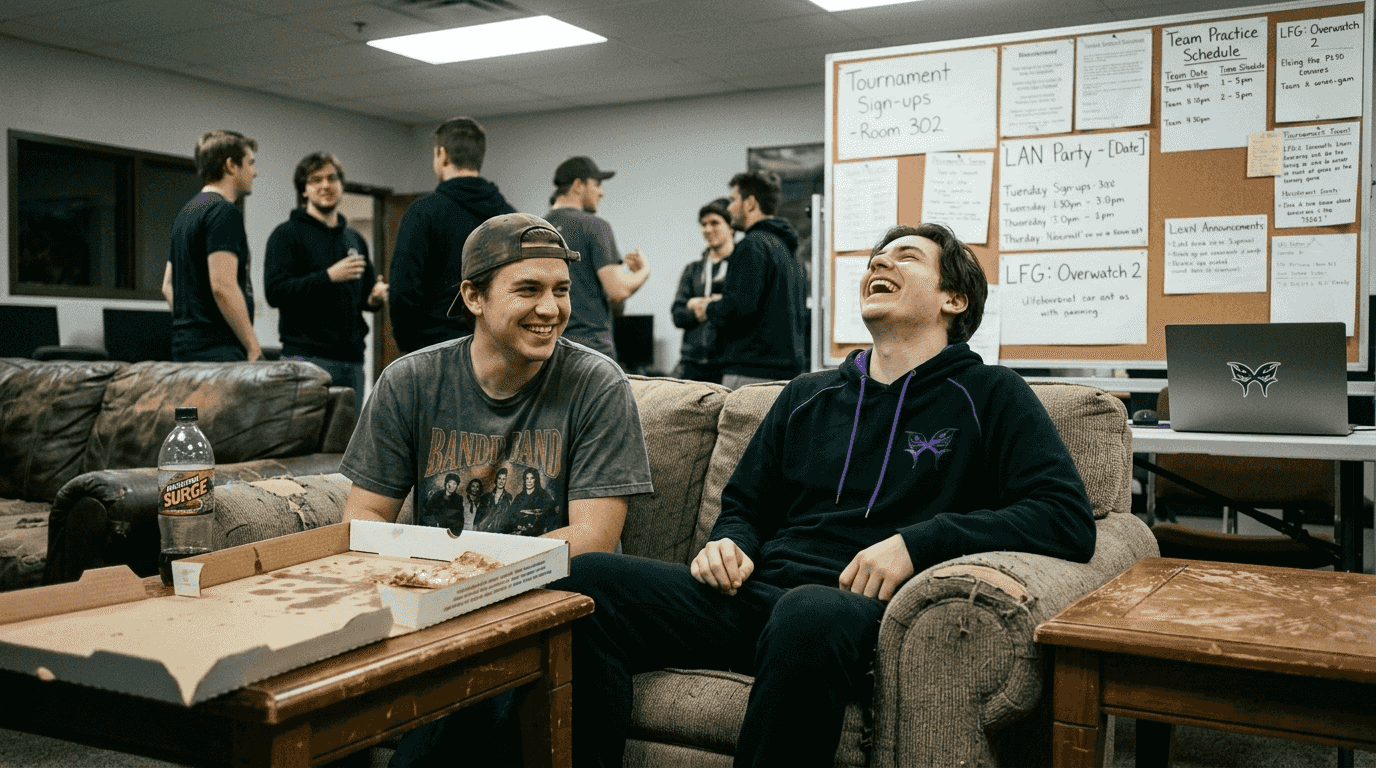
Research confirms that gaming communities provide improved self-esteem and well-being through consistent social interaction and shared achievement. When you attend regular community events, you're not just playing games, you're building support networks that recognize your progress and celebrate your victories. These relationships create accountability structures that keep motivation high during skill plateaus.
The social benefits of organized esports events include:
- Community belonging: Regular event participation creates identity and purpose beyond individual ranked performance
- Peer support networks: Teammates and competitors become resources for strategic advice and emotional encouragement
- Reduced isolation: Scheduled gatherings combat the loneliness that often accompanies intensive solo practice
- Enhanced motivation: Public competition creates external accountability that pushes performance beyond comfort zones
- Skill validation: Tournament results provide objective feedback that ranked systems can't replicate
Engagement in these community structures translates directly to competitive performance. Players who participate in organized events report higher self-esteem because their skills receive recognition from peers who understand the nuances of high-level play. This validation matters more than arbitrary rank numbers because it comes from people who've faced the same challenges.
"Gaming and esports communities provide social and health benefits like improved self-esteem and a greater sense of well-being, creating spaces where players find both competition and connection."
Traditional marketing struggles to reach competitive gamers effectively because standard advertising methods fail with this demographic. Community events solve this engagement problem by creating natural gathering points where brands, organizations, and players interact authentically. This dynamic makes events crucial for both competitive development and ecosystem sustainability.
The daily social interaction fostered by consistent event participation combats the isolation that intensive training creates. When you're grinding mechanics for hours alone, having scheduled community touchpoints maintains perspective and prevents burnout. These social rhythms make long-term competitive careers sustainable rather than exhausting sprints that end in burnout.
Leveraging centralized platforms to drive esports community growth and retention
Modern esports platforms solve a critical problem: fragmented experiences that force players to juggle multiple tools for tournaments, community interaction, and content consumption. Centralized solutions unify these functions, creating ecosystems where competitive play, social features, and loyalty rewards reinforce each other.
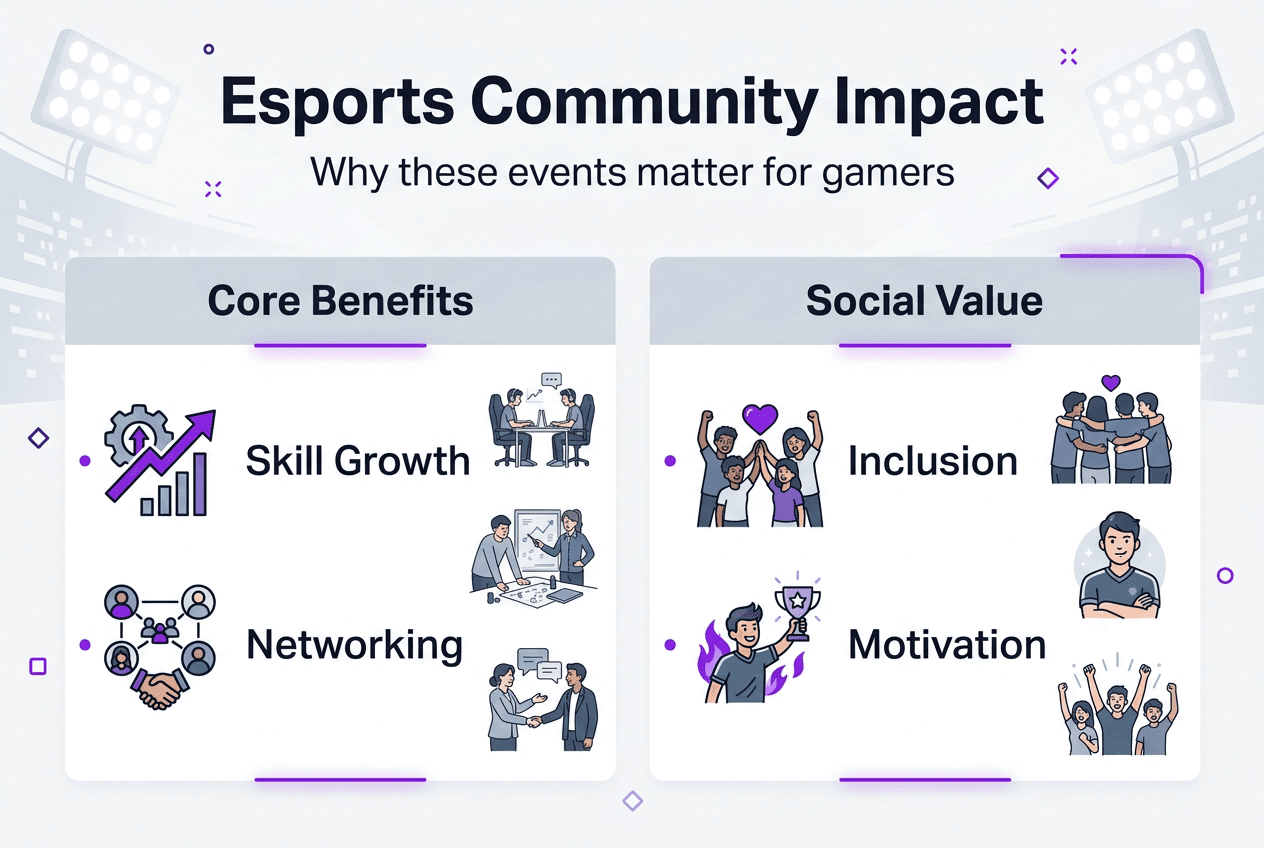
Platform architecture directly impacts community retention. When GameTurnier adopted StriveCloud's hybrid system combining tournaments, community features, loyalty programs, and content sharing, engagement metrics improved dramatically because players no longer needed to leave the platform to access different aspects of their competitive experience. Everything from bracket registration to post-match analysis happened in one place.
Platform feature comparison:
| Feature Category | Traditional Platforms | Modern Centralized Solutions |
|---|---|---|
| Tournament Management | Separate bracket tools | Integrated registration, seeding, and results |
| Community Interaction | External forums/Discord | Built-in chat, teams, and social feeds |
| Loyalty Systems | None or basic points | Comprehensive rewards tied to participation |
| Content Access | Fragmented across sites | Unified library with live and archived content |
| Player Retention | Low (no incentive to return) | High (rewards compound over time) |
The loyalty system component deserves special attention. When platforms reward consistent participation with tangible benefits like tournament entry discounts, exclusive content access, or recognition badges, they create compound engagement loops. You return not just for individual events but to maintain progress toward long-term goals, transforming casual participation into sustained community membership.
Pro Tip: Choose platforms that offer loyalty systems rewarding both competitive performance and community contribution. The best retention happens when you earn benefits from tournament placements, content creation, and helping newer players, creating multiple paths to recognition and rewards.
Content management presents unique challenges in esports due to massive live feed volumes from multi-day tournaments. The Esports World Cup Foundation addressed this by implementing advanced systems that ingest, organize, and distribute thousands of hours of footage accessible to clubs, players, and viewers globally. Without robust content infrastructure, valuable match footage disappears into archives where it can't inform training or build community narratives.
Centralized content access transforms how competitive knowledge spreads. When your tournament matches automatically archive with searchable metadata, you can review specific moments for improvement. Coaches can pull footage for team analysis. Content creators can highlight exceptional plays. This accessibility turns every community event into a learning resource that compounds in value over time.
The structured esports training benefits multiply when platforms integrate training tools with competitive features. Practice modes that track metrics feed directly into tournament performance analysis, creating feedback loops that accelerate improvement. This integration explains why serious competitors gravitate toward comprehensive platforms rather than piecing together separate tools.
Applying esports community events to boost your competitive journey
Understanding why events matter means nothing without strategic application. Competitive gamers who treat community events as deliberate growth opportunities rather than casual diversions extract exponentially more value from participation.
The impact pathway from event attendance to competitive advancement follows clear stages. First, community tournaments provide low-stakes environments for testing strategies against diverse opponents. You discover which tactics work against unfamiliar playstyles without risking ranked points. Second, networking during events connects you with potential teammates, coaches, and mentors who accelerate learning. Third, consistent performance creates scouting exposure, as esports organization guide structures actively recruit from community event standouts.
Maximizing community event participation:
- Prepare specifically for event formats: Study the tournament structure beforehand and adjust your practice to match the competitive format you'll face
- Set measurable performance goals: Define success beyond placement, focusing on executing specific strategies or improving particular weaknesses
- Engage actively between matches: Use downtime to watch other competitors, ask questions, and build relationships that extend beyond single events
- Document your performance: Record matches when possible and review footage to identify patterns in your play under tournament pressure
- Follow up after events: Maintain connections with players you met, join their practice groups, and stay visible in the community between tournaments
- Diversify event types: Attend both online and local events to build different skills and expand your network across geographic boundaries
Common pitfalls undermine the value competitive gamers extract from community events:
- Treating events as isolated experiences rather than building long-term community presence
- Focusing exclusively on results instead of learning opportunities and relationship building
- Neglecting preparation because community events feel less important than ranked play
- Avoiding interaction with other participants, missing networking and mentorship opportunities
- Participating only in familiar formats, limiting exposure to diverse competitive structures
Performance factors extend beyond pure mechanical skill. Research shows training, team dynamics, and environment significantly impact competitive outcomes. Community events let you test how these variables affect your play in real competitive settings rather than controlled practice environments. You discover whether your mechanics hold up under tournament pressure, how you communicate in team settings, and which environmental factors boost or hinder your performance.
Nutrition and physical conditioning influence competitive results more than most gamers recognize. Attending multi-hour community events reveals how your energy management, hydration, and focus maintenance strategies perform during extended competition. This real-world testing identifies weaknesses that solo practice sessions never expose, like mental fatigue in late-round matches or decision-making deterioration after several hours of play.
Goal alignment transforms random event participation into strategic career development. Map your community event attendance to specific competitive milestones. If you're building champion pool depth, choose tournaments that reward versatility. If you're developing shotcalling skills, prioritize team events where you can practice leadership under pressure. When you align event selection with personal development goals, every tournament becomes a targeted training exercise rather than generic practice.
The competitive gaming guide distinction becomes clearest in community events. Casual players attend for entertainment, while competitive participants extract systematic improvement from every match. This mindset difference determines whether events accelerate your growth or merely fill time between ranked queues.
Explore esports community opportunities with Xyra Esports
Applying these strategies requires access to structured competitive environments that support your growth. Xyra Esports provides exactly this infrastructure, combining organized tournaments, coaching resources, and community features designed for serious competitive development.
The platform centralizes everything discussed in this article: tournament participation across multiple formats, structured esports training programs that build fundamental skills, and community features that foster the social connections driving long-term engagement. Whether you're testing strategies in organized scrimmages or competing in formal tournaments, Xyra creates the structured environment where competitive skills flourish.
Beyond individual development, Xyra emphasizes professionalize esports teams success by connecting motivated players with established team structures. The organization's focus on accountability, leadership development, and systematic improvement aligns perfectly with the strategic event participation approach outlined above. You're not just attending random tournaments, you're building a competitive career within a supportive ecosystem.
Explore esports event ideas and discover how Xyra's structured approach transforms community participation from casual hobby into serious competitive development. The platform's emphasis on long-term growth over short-term results creates exactly the environment where strategic event participation compounds into measurable skill advancement.
Why are community events important in esports?
How do community events improve esports skills?
Community events expose you to diverse playstyles and strategies that ranked queues rarely provide, forcing adaptation under tournament pressure. The combination of unfamiliar opponents, structured formats, and real stakes creates learning conditions that accelerate improvement faster than solo practice.
What tournament formats should I expect at community events?
Most community events use double elimination for smaller competitions or hybrid Swiss-to-playoff structures for larger tournaments. These formats balance fairness with excitement, giving you multiple matches to demonstrate skill while creating dramatic elimination stakes in later rounds.
How do esports platforms enhance my event experience?
Modern platforms centralize registration, bracket management, content access, and social features in one place, eliminating the friction of juggling multiple tools. Integrated loyalty systems reward consistent participation, making each event contribute to long-term progression rather than feeling like isolated experiences.
Can participating in community events lead to a pro career?
Consistent strong performance in community events creates scouting visibility and networking opportunities that open doors to semi-pro and professional teams. Organizations actively recruit from community standouts who demonstrate both skill and the professionalism required for team environments, making strategic event participation a proven pathway to competitive advancement.
How can I get involved in local or online esports events?
Start by exploring platforms like Xyra Esports that aggregate tournament opportunities across multiple games and formats. Join Discord communities for your primary titles, follow local gaming cafes or esports organizations, and check competitive gaming guide resources that list upcoming events matching your skill level and competitive goals.