
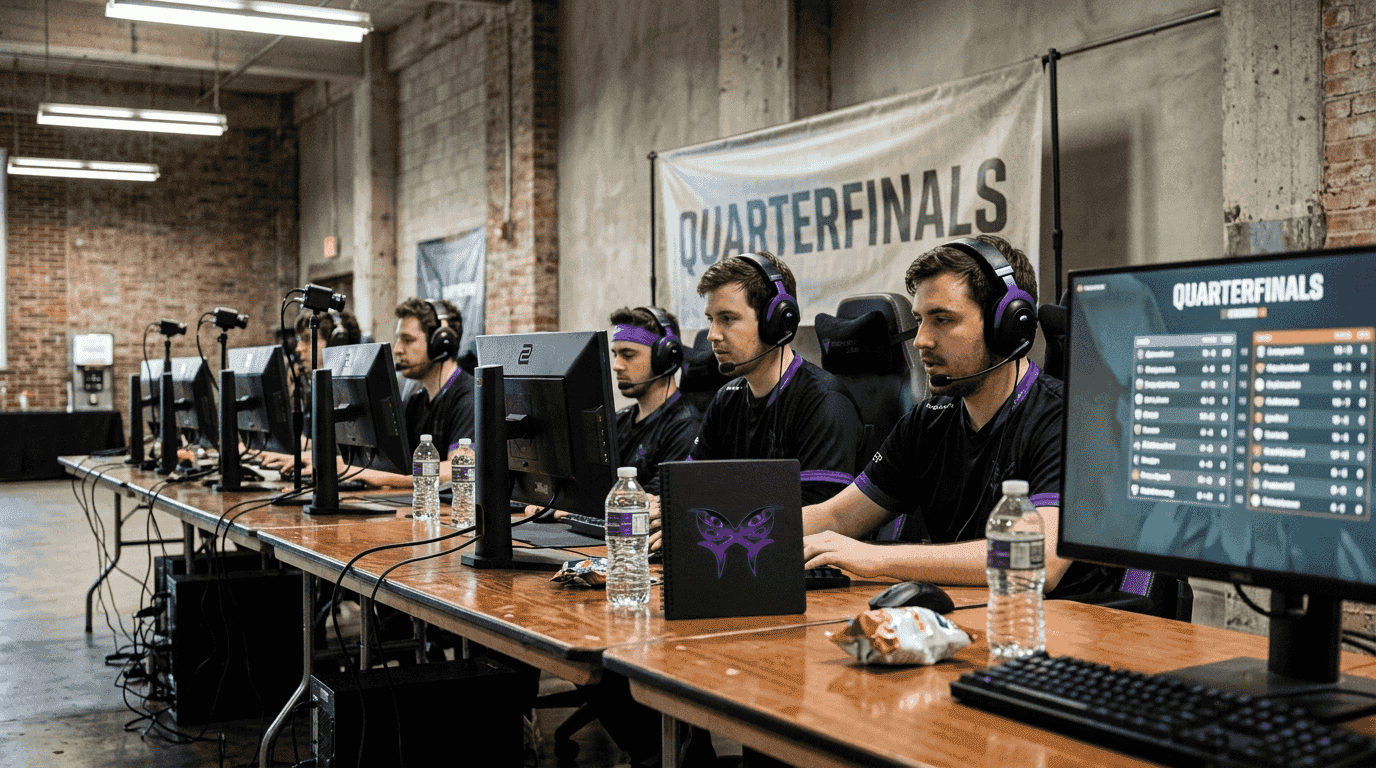
Many gamers believe that climbing the competitive ladder is simply about logging more hours and perfecting their aim. The reality is far more complex. Success in competitive gaming environments depends on structured practice frameworks, understanding tournament formats, and developing strategic analysis skills that separate casual players from professionals. This guide breaks down the essential components that define modern competitive gaming, from deliberate practice pillars to advanced opponent prediction techniques, giving you the tools to accelerate your esports journey.
Table of Contents
- Understanding The Core Elements Of Competitive Gaming
- Decoding Competitive Formats: Swiss, Playoffs, And Hybrid Models
- Advanced Strategies: Pattern Analysis And Balance Evaluation In Esports
- Applying Competitive Environment Insights For Skill Development
- Explore Competitive Gaming Opportunities With Xyra Esports
- What Is A Competitive Gaming Environment?
- How Does The Swiss Tournament Format Work In Esports?
- What Role Does Pattern Analysis Play In Professional Esports?
- How Can I Improve My Esports Skills Effectively?
Key takeaways
| Point | Details |
|---|---|
| Deliberate practice beats grinding | Goal setting, feedback loops, review sessions, and mental conditioning produce faster skill gains than unstructured playtime. |
| Tournament formats matter | Hybrid Swiss plus playoff systems ensure fair seeding and competitive integrity in major esports events. |
| Pattern analysis wins matches | Top players study opponent behaviors and predict strategies like chess masters rather than relying solely on mechanics. |
| Balance goes beyond win rates | Team compositions, counters, and synergy create nuanced advantages that simple statistics miss. |
| Structure accelerates growth | Organized training with clear objectives outperforms random practice sessions for competitive advancement. |
Understanding the core elements of competitive gaming
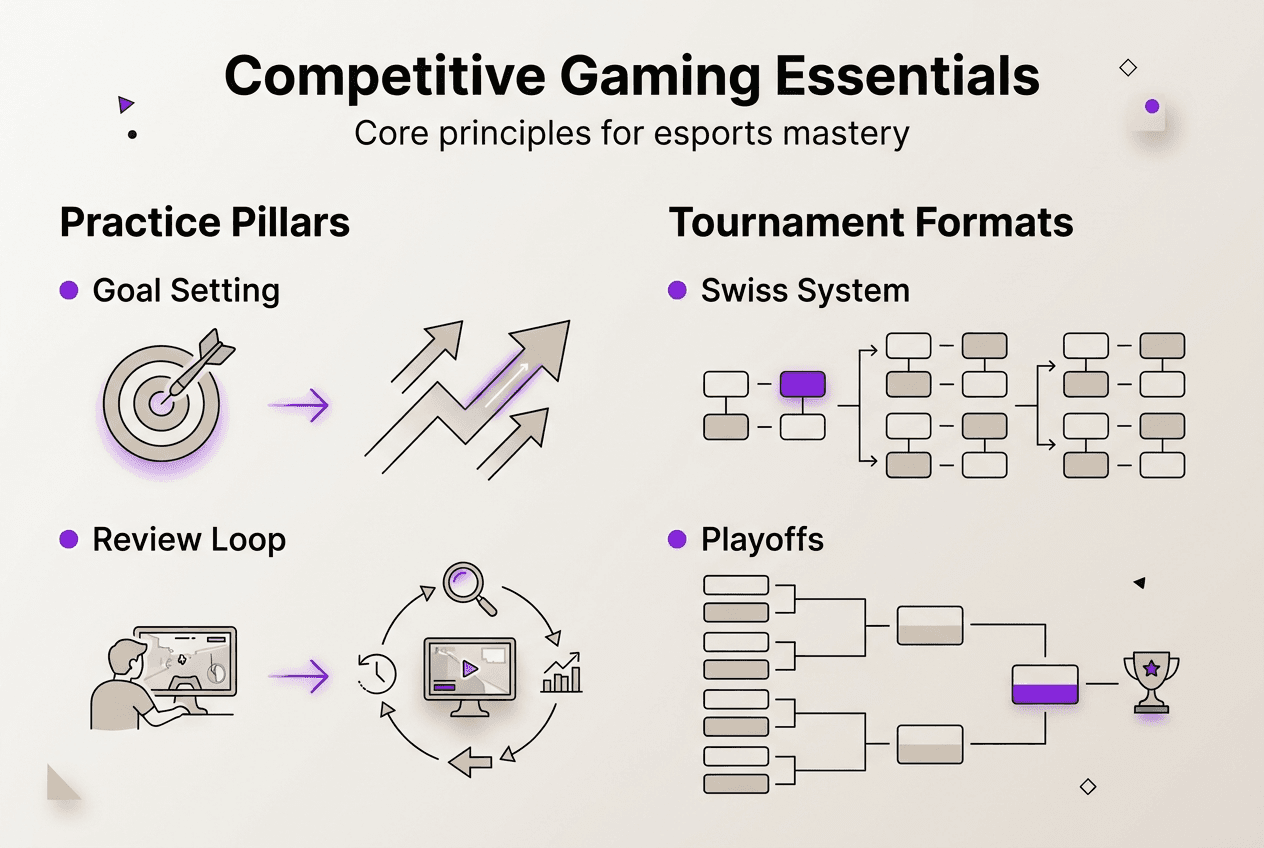
Competitive gaming environments operate on principles that extend far beyond raw talent or time investment. The foundation rests on deliberate practice pillars that transform average players into professionals. These pillars include goal setting, constant feedback, systematic review, and mental skills development. Each component serves a specific purpose in accelerating skill acquisition and performance consistency.
Goal setting provides direction for your training sessions. Instead of vaguely "getting better," you target specific improvements like reducing reaction time by 50 milliseconds or increasing map awareness checks to every 10 seconds. Feedback mechanisms come from coaches, teammates, or self-analysis tools that highlight mistakes immediately. Review sessions involve watching replays to identify patterns in your decision making. Mental skills training helps you manage pressure during clutch moments and maintain focus through extended tournaments.
The importance of mental conditioning cannot be overstated. During high-stakes matches, your ability to regulate stress, recover from mistakes, and execute strategies under pressure often determines outcomes more than mechanical skill. Structured esports training benefits include faster improvement curves and better performance consistency compared to unstructured grinding.
Tournament formats shape how competitive gaming unfolds. Swiss systems, playoff brackets, and hybrid models each create different strategic considerations. Swiss formats pair players with similar records across multiple rounds, ensuring balanced matchups. Playoffs introduce knockout intensity where single losses eliminate teams. Hybrid formats combine both approaches for comprehensive competition structures.
Pro Tip: Schedule dedicated 90-minute practice blocks with specific objectives rather than playing until you're tired. Review your last three matches before starting new sessions to identify recurring mistakes.
Key elements that define competitive environments:
- Clear performance metrics tracking improvement over time
- Regular feedback loops from coaches or analytical tools
- Structured practice schedules with defined objectives
- Mental conditioning exercises for pressure management
- Strategic review sessions analyzing gameplay decisions
Understanding goal setting in esports transforms random practice into purposeful skill development. You move from hoping to improve to systematically building capabilities that translate directly into competitive advantages.
Decoding competitive formats: swiss, playoffs, and hybrid models
Tournament structures determine how competitors advance, how matchups form, and ultimately who claims victory. Understanding these formats helps you prepare strategically and manage the psychological demands of different competition styles. The three primary systems each offer distinct advantages and challenges that shape the competitive landscape.
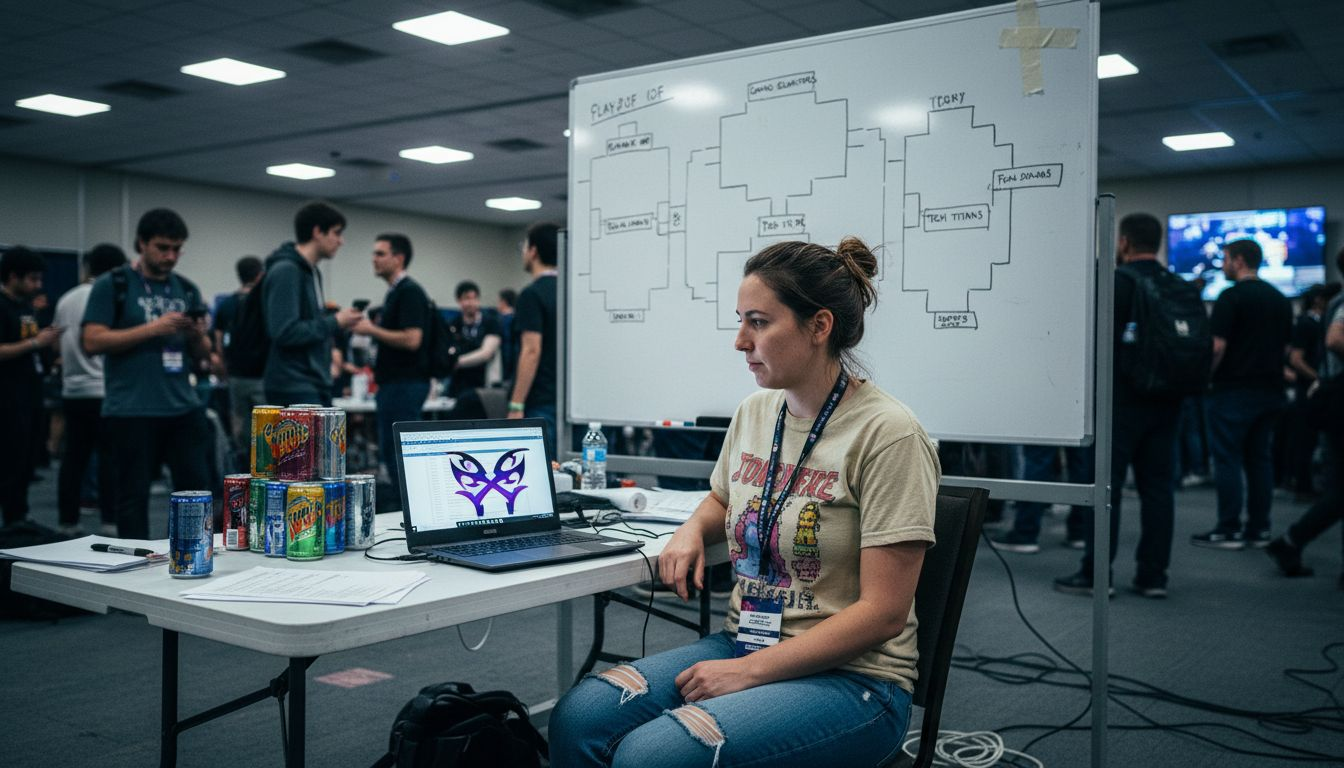
Swiss format tournaments run multiple rounds where players face opponents with similar win-loss records. After each round, winners play winners and losers play losers, creating increasingly accurate skill-based matchups. This system ensures everyone plays a set number of games regardless of early losses, providing more opportunities to demonstrate skill. Hybrid formats combining Swiss and playoffs have become standard in major esports events because they balance fairness with excitement.
Playoff brackets create single or double elimination scenarios where losses carry immediate consequences. The intensity ramps up dramatically because one mistake can end your tournament run. This format rewards clutch performance and mental resilience under maximum pressure. Teams that excel in playoffs often have superior psychological preparation and adaptability.
Hybrid models use Swiss rounds to seed players into playoff brackets, combining the fairness of extended play with the drama of elimination matches. Large tournaments prefer this structure because it produces accurate seeding while maintaining viewer engagement through high-stakes finals. The Swiss phase filters competitors, then playoffs determine champions among the top performers.
Tiebreakers become crucial when multiple teams finish with identical records. Buchholz scoring evaluates the combined strength of your opponents, rewarding players who defeated tougher competition. Other tiebreaker methods include head-to-head results, round differential, or additional playoff matches. Understanding these mechanisms helps you appreciate the strategic depth beyond simple win-loss records.
| Format | Advantages | Disadvantages | Best For |
|---|---|---|---|
| Swiss | Fair matchmaking, everyone plays full rounds, accurate skill assessment | Less dramatic, longer duration, complex tiebreakers | Large tournaments needing fair seeding |
| Playoffs | High intensity, clear winner path, exciting for viewers | Early losses eliminate competitors, less forgiving of mistakes | Final stages determining champions |
| Hybrid | Combines fairness with drama, accurate seeding, engaging throughout | Complex structure, requires more planning, longer overall duration | Major esports events with many participants |
The difference between competitive gaming vs casual play becomes evident in these structured formats. Competitive environments demand consistency across multiple matches, strategic adaptation between rounds, and mental endurance through extended tournaments. Casual play lacks these systematic pressures and progression structures.
Format knowledge influences your preparation strategy. Swiss tournaments reward consistent performance across many games, so stamina and mental reset abilities matter enormously. Playoff formats demand peak performance in specific moments, making clutch execution and pressure management paramount. Adapting your training focus based on upcoming tournament structures gives you concrete competitive advantages.
Advanced strategies: pattern analysis and balance evaluation in esports
Professional players separate themselves through strategic thinking that extends beyond mechanical execution. They study opponents like chess grandmasters, identifying behavioral patterns and predicting decisions before they happen. This analytical approach transforms reactive gameplay into proactive strategy, creating opportunities to outmaneuver opponents consistently.
Pattern analysis and video review enable players to anticipate enemy movements and strategies. Top competitors spend hours reviewing match footage, noting how opponents respond to specific situations. They catalog tendencies like aggressive early game plays, defensive late game rotations, or predictable ultimate ability usage. This intelligence gathering creates exploitable advantages during actual matches.
Video-on-demand analysis tools have revolutionized competitive preparation. Players can slow down footage, examine decision trees, and identify micro-patterns in opponent behavior. You might notice an enemy consistently checks specific corners first when entering contested areas, or always rotates clockwise around objectives. These subtle habits become predictable weaknesses when recognized and exploited.
Balance evaluation requires deeper analysis than simple win rate statistics. Team compositions and counters create complex interactions that shift match probabilities dramatically. A character with 48% overall win rate might dominate specific matchups while struggling against others. Understanding these nuances allows strategic draft decisions that maximize your team's advantages.
Pro Tip: Create opponent dossiers tracking their tendencies across multiple matches. Note their preferred strategies, common mistakes under pressure, and how they adapt when losing. Reference these profiles before matches for tactical advantages.
Advanced strategic considerations:
- Behavioral pattern recognition identifying predictable opponent habits
- VOD analysis revealing decision-making tendencies under pressure
- Team composition synergies creating advantages beyond individual character strength
- Counter-pick strategies exploiting specific matchup weaknesses
- Meta-game awareness understanding current competitive trends
Exploring esports event strategies helps you understand how top organizations approach competitive preparation. They combine individual skill development with team-level strategic planning, creating comprehensive competitive advantages.
| Team Composition | Countered By | Win Probability Shift | Strategic Consideration |
|---|---|---|---|
| Aggressive early game lineup | Defensive scaling composition | Minus 12% after 15 minutes | Must secure early advantages before power spike timing |
| Dive-heavy composition | Peel-focused defensive setup | Minus 18% in team fights | Requires superior execution and target selection |
| Split-push strategy | Global mobility team | Minus 15% in side lanes | Needs vision control and escape tools |
| Poke-oriented composition | Engage-heavy dive team | Minus 20% once engaged | Must maintain distance and kiting effectiveness |
Balance analysis extends to understanding esports organization structures that support strategic development. Professional teams employ analysts who study opponent tendencies, meta trends, and optimal compositions. This infrastructure allows players to focus on execution while strategic staff handles preparation.
The combination of pattern recognition and balance evaluation creates layered strategic depth. You're not just reacting to what opponents do, you're predicting their actions and positioning yourself advantageously before engagements begin. This proactive approach defines professional-level play and separates top competitors from skilled amateurs.
Applying competitive environment insights for skill development
Transforming theoretical knowledge into practical skill improvement requires systematic application of competitive principles. You need structured training that incorporates deliberate practice pillars, format-specific preparation, and strategic analysis routines. This integrated approach accelerates development far beyond random practice sessions.
Start by establishing clear training objectives that target specific weaknesses. If your map awareness needs improvement, set measurable goals like checking minimap every eight seconds. If decision-making under pressure falters, create practice scenarios simulating tournament stress. Quantifiable targets enable progress tracking and maintain training focus.
Feedback loops must operate continuously throughout your practice. Record every session for later review, noting decision points where alternative choices existed. Analyze why you chose specific actions and whether better options were available. This reflection process builds strategic thinking that translates directly into match performance.
Adapting practice to tournament formats prepares you for specific competitive demands. Swiss format preparation emphasizes consistency across extended play sessions, building mental endurance for multiple consecutive matches. Playoff practice focuses on peak performance under maximum pressure, simulating elimination scenarios where mistakes carry severe consequences.
Incorporating pattern analysis into daily routines develops strategic instincts. Spend 30 minutes reviewing opponent footage before practice sessions, identifying three exploitable tendencies. During matches, consciously test whether predicted patterns hold true. This active learning process trains your brain to recognize and exploit behavioral habits automatically.
Team composition evaluation should inform your champion pool development. Understanding meta counters and synergies helps you select characters that maximize team advantages. Study how professional teams draft compositions, noting the strategic logic behind pick orders and ban priorities.
- Daily review previous match footage identifying three decision-making mistakes
- Set two specific skill improvement goals for the practice session
- Execute focused drills targeting identified weaknesses for 60 minutes
- Play ranked matches applying deliberate practice principles
- Conduct post-session analysis noting progress toward goals
- Weekly review overall improvement trends adjusting training focus
- Study opponent tendencies creating strategic profiles
- Monthly evaluate meta shifts updating champion pool and strategies
- Simulate tournament pressure through scrimmages with stakes
- Integrate mental conditioning exercises managing stress and focus
The step-by-step esports training approach combines these elements into comprehensive development programs. You're building multiple skill dimensions simultaneously: mechanical execution, strategic thinking, mental resilience, and competitive experience.
Understanding esports recruitment processes motivates structured improvement. Organizations evaluate players based on demonstrated capabilities across all competitive dimensions. Your ability to articulate strategic thinking, show consistent performance data, and demonstrate coachability matters as much as raw skill.
Mental conditioning deserves equal attention to mechanical practice. Develop pre-match routines that optimize your psychological state. Practice stress management techniques like controlled breathing and positive visualization. Build resilience by reviewing losses constructively rather than emotionally, extracting lessons that prevent future mistakes.
The progression from understanding competitive environments to mastering them requires patience and systematic effort. You're developing expertise that compounds over time, with each training session building on previous improvements. This long-term perspective maintains motivation through inevitable plateaus and setbacks.
Explore competitive gaming opportunities with Xyra Esports
Xyra Esports provides structured pathways for aspiring professionals seeking competitive advancement. The organization offers training programs built on deliberate practice principles, ensuring your development follows proven frameworks rather than trial and error. You gain access to coaching staff who understand the nuances of competitive formats, strategic analysis, and mental conditioning that define professional play.
Competitive events through Xyra Esports utilize modern tournament structures including Swiss and hybrid formats, giving you practical experience in the systems that govern major esports competitions. These events provide opportunities to test your skills against similarly committed competitors while building the mental resilience that tournament play demands. The structured environment emphasizes accountability and continuous improvement, creating conditions where serious players thrive.
Resources for pattern analysis and strategic development accelerate your competitive growth. You connect with teammates who share your commitment to structured improvement, creating practice environments that push everyone forward. The combination of expert guidance, competitive opportunities, and dedicated community support provides comprehensive infrastructure for your esports journey.
What is a competitive gaming environment?
What defines a competitive gaming environment?
A competitive gaming environment combines structured tournament formats, deliberate practice frameworks, and strategic depth that rewards skill development over casual play. Players compete in organized events with clear rules, progression systems, and performance metrics. The environment emphasizes continuous improvement through feedback, analysis, and systematic training rather than entertainment-focused gameplay.
How does competitive gaming differ from casual play?
Competitive gaming requires consistent performance across multiple matches, strategic preparation studying opponents and meta trends, and mental conditioning managing pressure situations. Casual play focuses on entertainment without systematic skill development or structured competition. Competitive environments demand accountability, measurable improvement, and adaptation to evolving strategies that casual settings lack.
What are typical competitive formats?
Most competitive gaming uses Swiss systems for fair seeding across multiple rounds, playoff brackets for elimination-based finals, or hybrid models combining both approaches. Swiss matches players with similar records ensuring balanced competition. Playoffs create high-stakes scenarios where losses eliminate teams. Hybrid formats provide comprehensive competition structures balancing fairness with dramatic finals.
Why do deliberate practice pillars matter?
Deliberate practice pillars including goal setting, feedback loops, systematic review, and mental skills training produce measurably faster improvement than unstructured grinding. These frameworks target specific weaknesses with quantifiable objectives, enabling progress tracking and focused development. Mental conditioning prepares you for pressure situations where psychological factors often determine outcomes as much as mechanical skill.
How does the swiss tournament format work in esports?
Swiss format tournaments pair competitors with similar win-loss records across multiple rounds, ensuring increasingly balanced matchups as the event progresses. Winners face winners and losers face losers, creating fair competition where everyone plays a predetermined number of games. This system produces accurate skill-based seeding for playoff stages while giving all participants substantial playing time regardless of early results. Tiebreakers like Buchholz scoring evaluate opponent strength when teams finish with identical records.
What role does pattern analysis play in professional esports?
Professional players use pattern analysis to predict opponent strategies and decision-making tendencies by studying video footage and cataloging behavioral habits. They identify how enemies respond to specific situations, noting predictable rotations, ability usage patterns, and positioning preferences. This intelligence gathering creates exploitable advantages during matches, allowing proactive strategy rather than reactive gameplay. Top competitors spend significant time reviewing opponent footage to gain these strategic edges.
How can I improve my esports skills effectively?
Effective improvement requires implementing deliberate practice components including measurable goals, constant feedback, systematic review, and mental conditioning. Set specific objectives for each practice session targeting identified weaknesses. Record gameplay for detailed analysis noting decision points and alternative choices. Incorporate strategic study of opponents and meta trends alongside mechanical training. Follow structured training progressions that build multiple skill dimensions simultaneously rather than grinding random matches hoping for improvement.